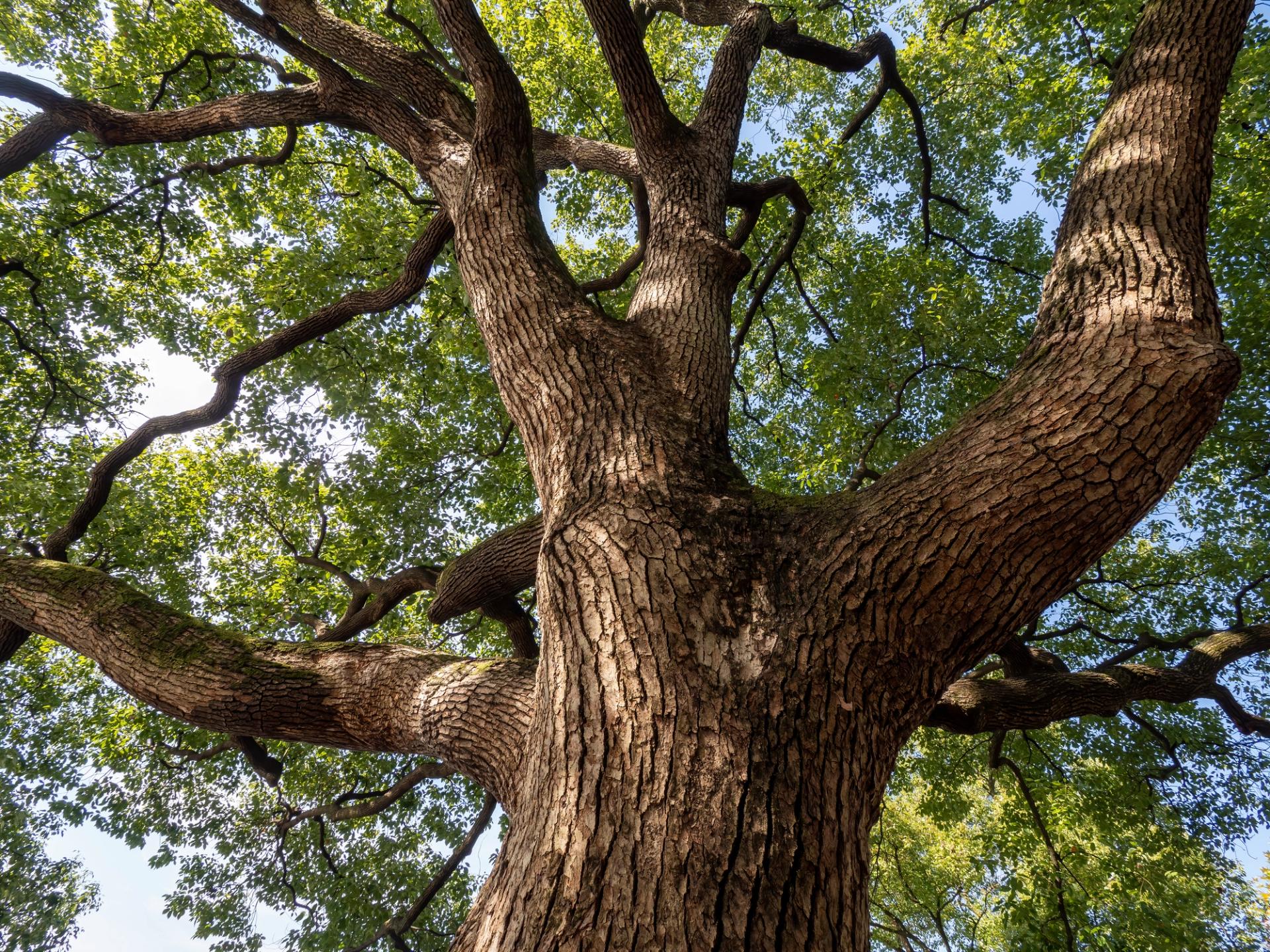
Ash trees are vital ecologically. They protect our region's wetlands by regulating water levels, filtering water, storing carbon, and protecting plants and animals.
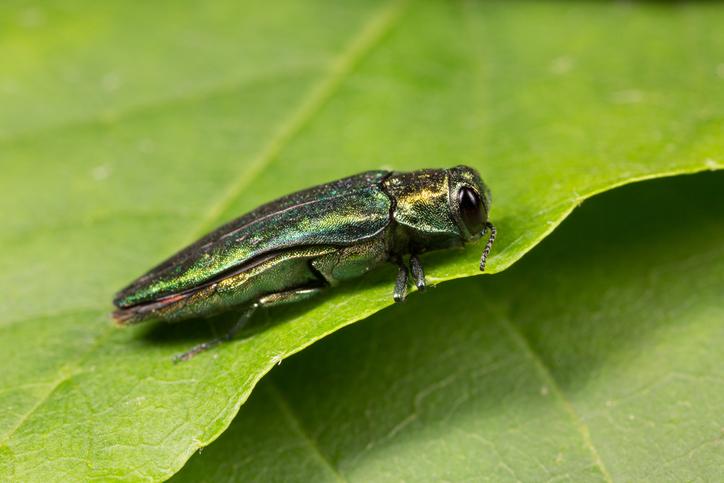
Tragically, D.C.’s ash groves are rapidly dying off due to an invasive pest known as the emerald ash borer. The pest hid away in some ash trees headed for a Maryland nursery 20 years ago and have terrorized the poor ash ever since.
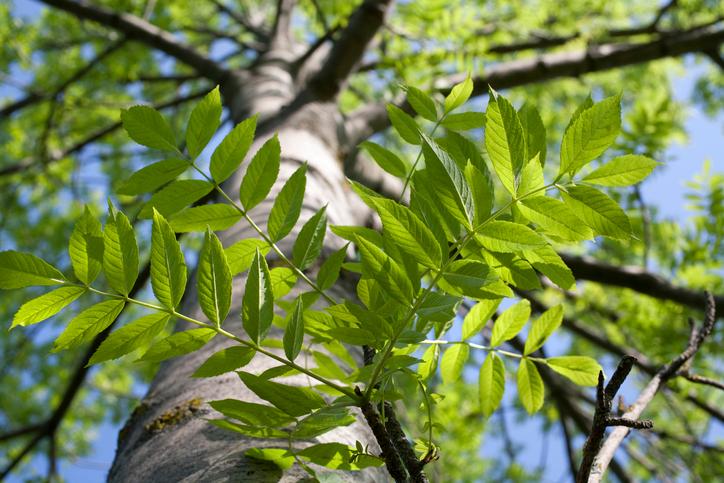
A healthy-looking ash tree. (malerapaso/Getty Images)
The threat: The emerald ash borer kills 99% of the ash trees that it infects. The shiny emerald beetle lays its eggs in the bark and the larvae bore into the tree’s vascular tissue. It has killed tens of thousands of trees all over the U.S. but is hitting the DMV especially hard.
What’s being done: Scientists have found a way to slow the spread by treating individual trees every few years with insecticides, but this has been inconsistent. In the long term, scientists hope that the beetle's natural predator, wasps, will reduce populations to sustainable levels. They’re also trying to breed more resilient types of ash.
Take a deep dive: A local organization called the Ash Forest Project collaborated with artists to document the decline of these trees in the DMV. They currently have an exhibition at Joe’s Movement Emporium in Mount Rainier, Maryland that documents years of ash grove decline and conservation efforts.