An ancient foraging proverb says, “there are old foragers and there are bold foragers, but there are no old, bold foragers!” There are hundreds of edible plants right under our noses throughout the DMV – but what are they? And how can you distinguish poison-plants from pesto-plants? We chatted with the culinary chair of the Mycological Association of Washington to get help get you started.
What’s For Dinner?
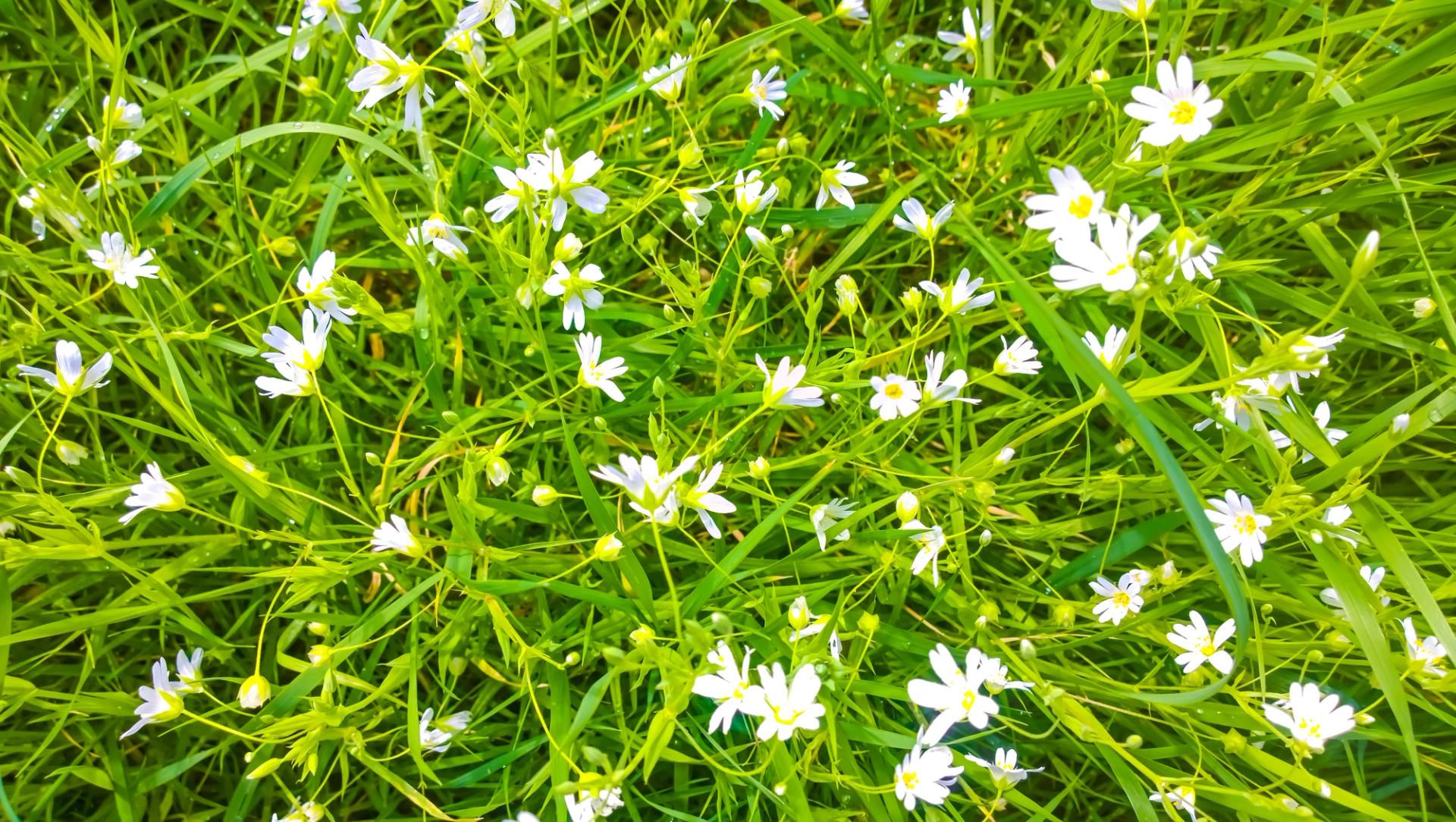
D.C.’s natural pantry has everything from weeds to fruits to mushrooms. The pawpaw is perhaps our most famous pickable treat. The “tropical” fruit lives in wooded areas like Great Falls and throughout Roosevelt Island. The list of weeds you can forage in the area is enormous and filled with great names like chickweed, deadnettle, and mallow. Mushroom maniacs can find chanterelles, chicken of the woods, and turkey tail amongst others.
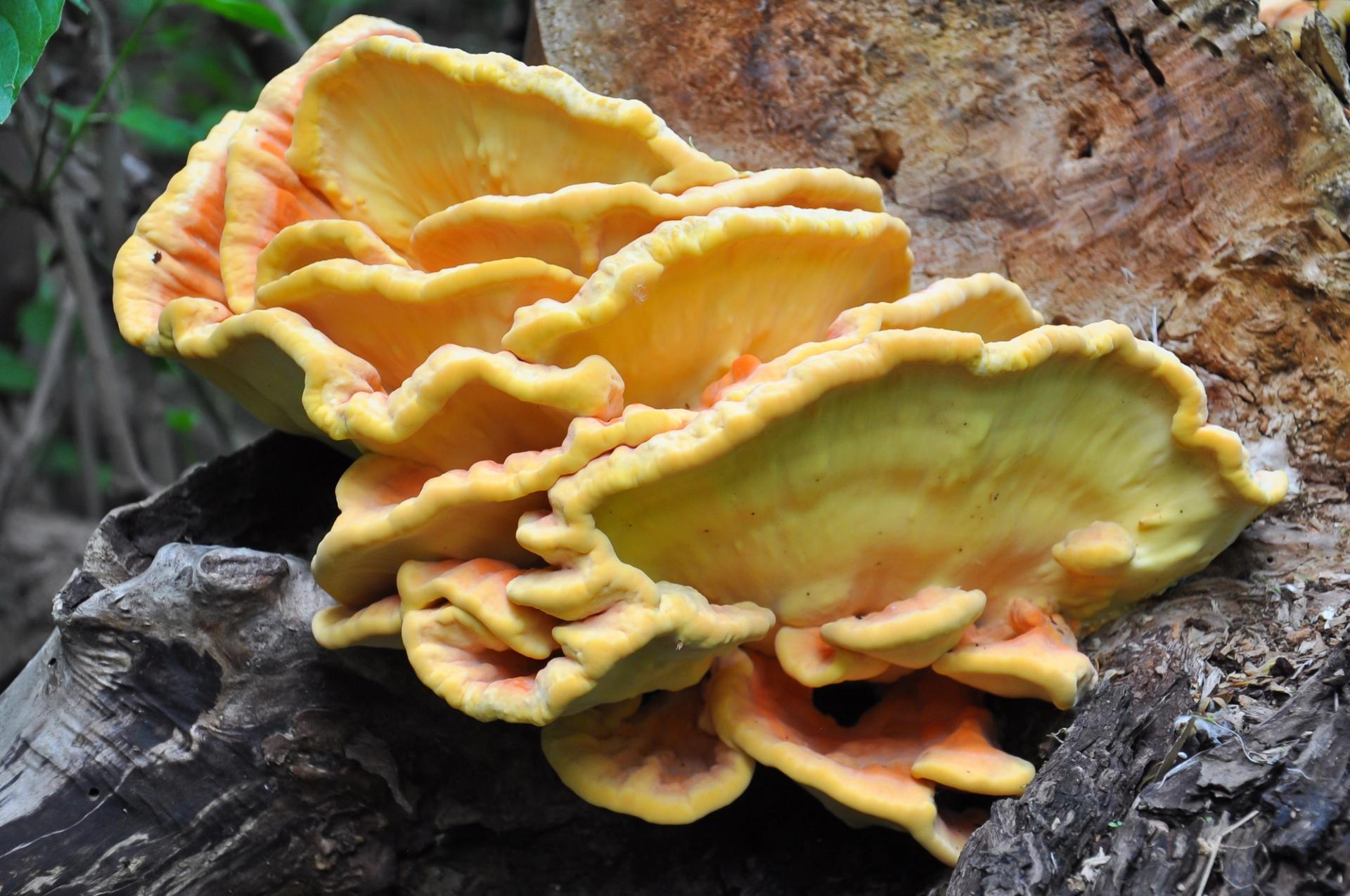
Chicken of the Woods edible mushroom. (Ivan Marjanovic/Getty Images)
Boil ‘em, Mash ‘em, Stick ‘em in a Stew
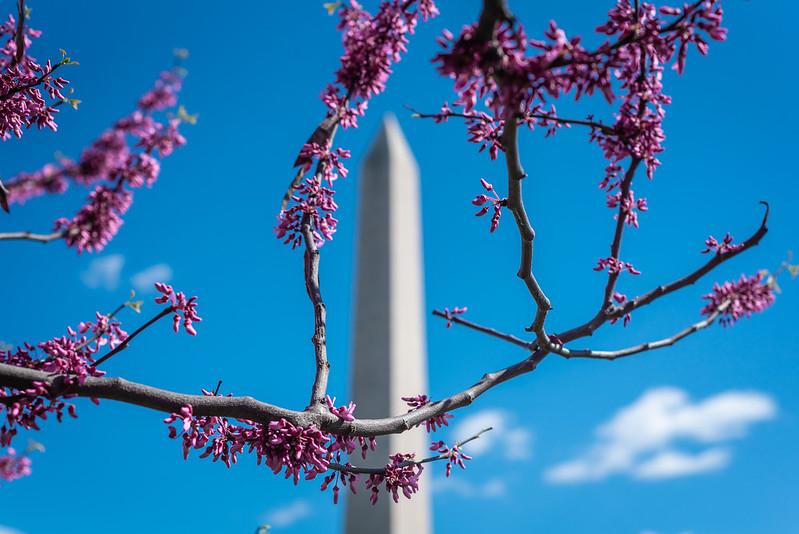
The recipe possibilities are endless with foraged foods. The Mycological Association of Washington even made mushroom beer! Plants like garlic mustard and chickweed can make delicious pesto when combined with oil and herbs. Of course, you can even cook with cherry blossoms, just don’t get arrested for stealing them from the Tidal Basin.
How To Get Started
The DMV’s foraging community is huge! The Mycological Association of Washington is a great place to start, especially for those who love mushrooms! There are also Meetup and Facebook groups to help you get the ball rolling, and classes and nature walks to teach you the basics. Once you’re an expert, apps like iNaturalist can help decipher which plants are edible all while contributing to biodiversity science!