City Cast DC logo

How Mussels Are Saving Anacostia River

Posted on August 3, 2023   |   Updated on September 30, 2025
Kaela Cote-Stemmermann

Kaela Cote-Stemmermann

Mussels

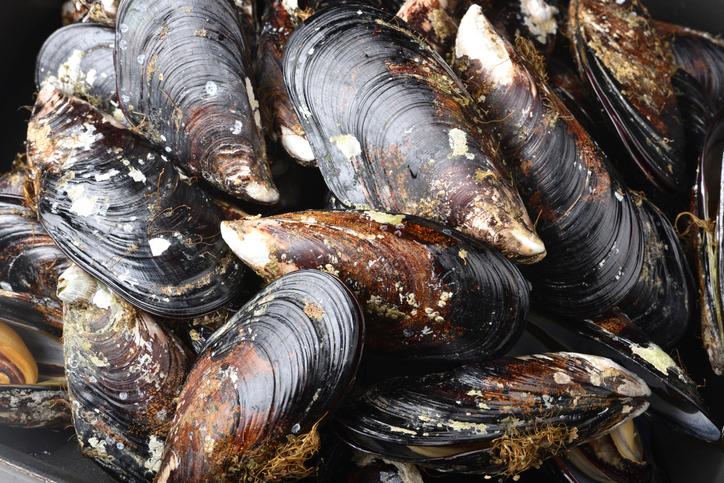
Mussels act as natural water filters. (idisdao/Getty Images)

The Anacostia River is home to eight different species of mussels that are hard at work cleaning up the riverbed. They are constantly sucking up and expelling water as they feed and can filter between 10 and 20 gallons of water a day. They clean the water by eating algae, microplastics, and bacteria (including E. coli!).

As if that wasn’t enough, these little mollusks help settle sediment on the river bed, clearing the water for more aquatic vegetation to grow. This in turn provides homes for all sorts of creatures and crustaceans.
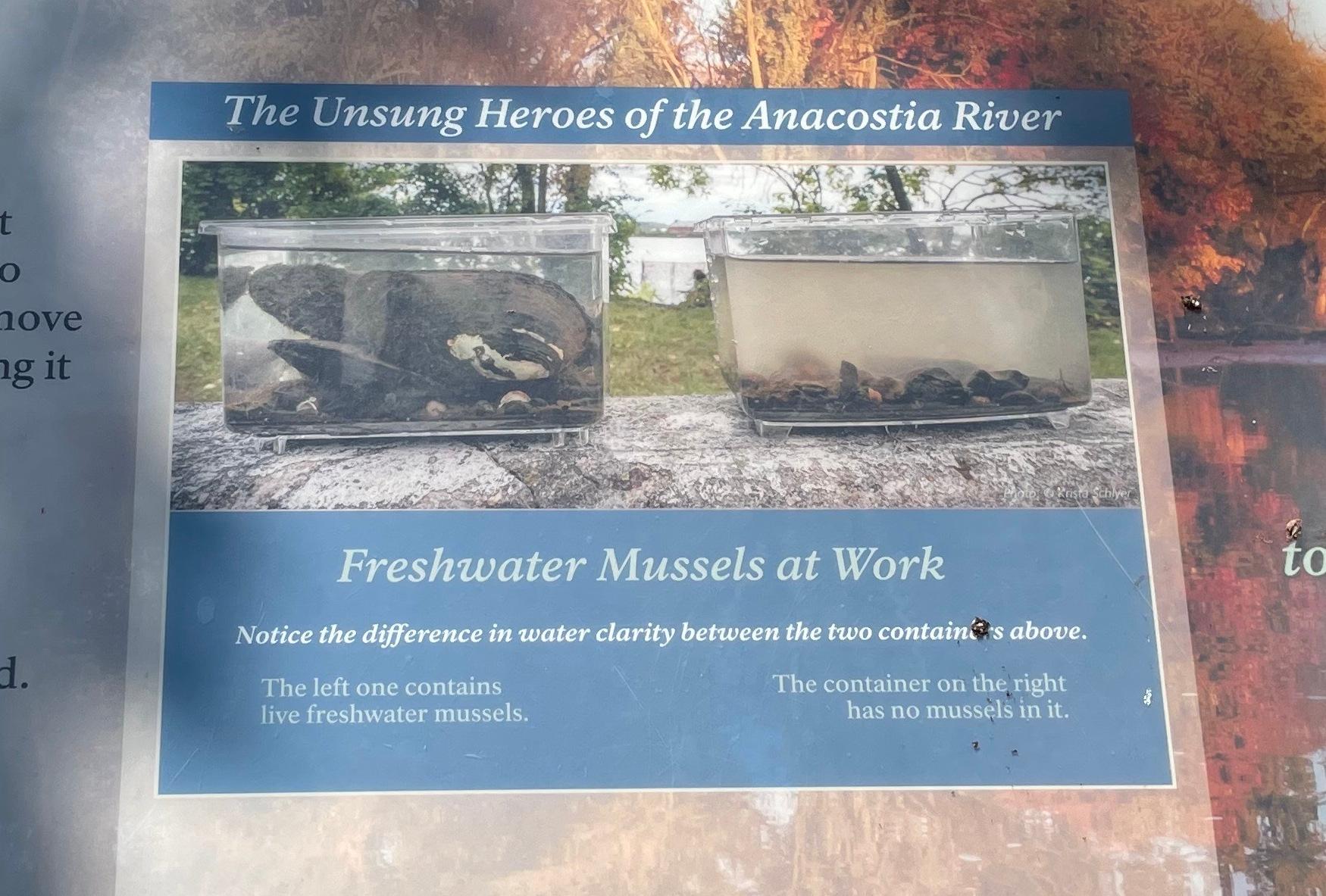
Mussels hard at work! (Kaela Cote-Stemmermann/City Cast DC)

Mussels hard at work! (Kaela Cote-Stemmermann/City Cast DC)

Sadly, we haven’t given nearly as much back to our shelly friends. The Anacostia used to be packed with mussels, but pollution and heavy metals in the water have caused five of these species to become endangered.

Nonprofits like the Anacostia Watershed Society have been tracking and restoring the local mussel populations at mussel hotspots like Buzzards Point, Kenilworth Garden ponds, and the Kingman marsh.

They use floating baskets to safely cultivate more than 33,000 mussels in the river since 2019. Collectively, they filter 132 Olympic-sized swimming pools annually!

Don’t get any ideas. Unlike their saltwater cousins, freshwater mussels are not delicious. Apparently, they taste like dirt and are as hard are the sole of your shoe.

Share article

Hey DC

Get smart about D.C. with our news roundup and analysis.

Can't subscribe? Turn off your ad blocker and try again.

Urban Almanac

See All
Urban AlmanacMarch 19

How To Start an Urban Garden In DC

Even in the city, you can grow your own food. Here’s how to make use of even the tiniest spaces, whether you’re designing your community...

Garden beds at Bruce Monroe Community Garden in Columbia Heights.
Urban AlmanacSeptember 4, 2025

How to Experience the 2025 National Book Festival in DC

This Saturday, Sept. 6, the Library of Congress is throwing a party for book lovers: the 25th annual National Book Festival.

The flyer for the National Book Festival.
Urban AlmanacJuly 30, 2025

How to Manage and Stop the Spread of Invasive Lanternflies

The invasive spotted lanternfly has returned to the Washington, D.C. region this summer. Here's what you need to know about why it spread...

A person holds an adult spotted lanternfly found in Huntington, Indiana, on Aug. 17, 2022.
Urban AlmanacJuly 31, 2024

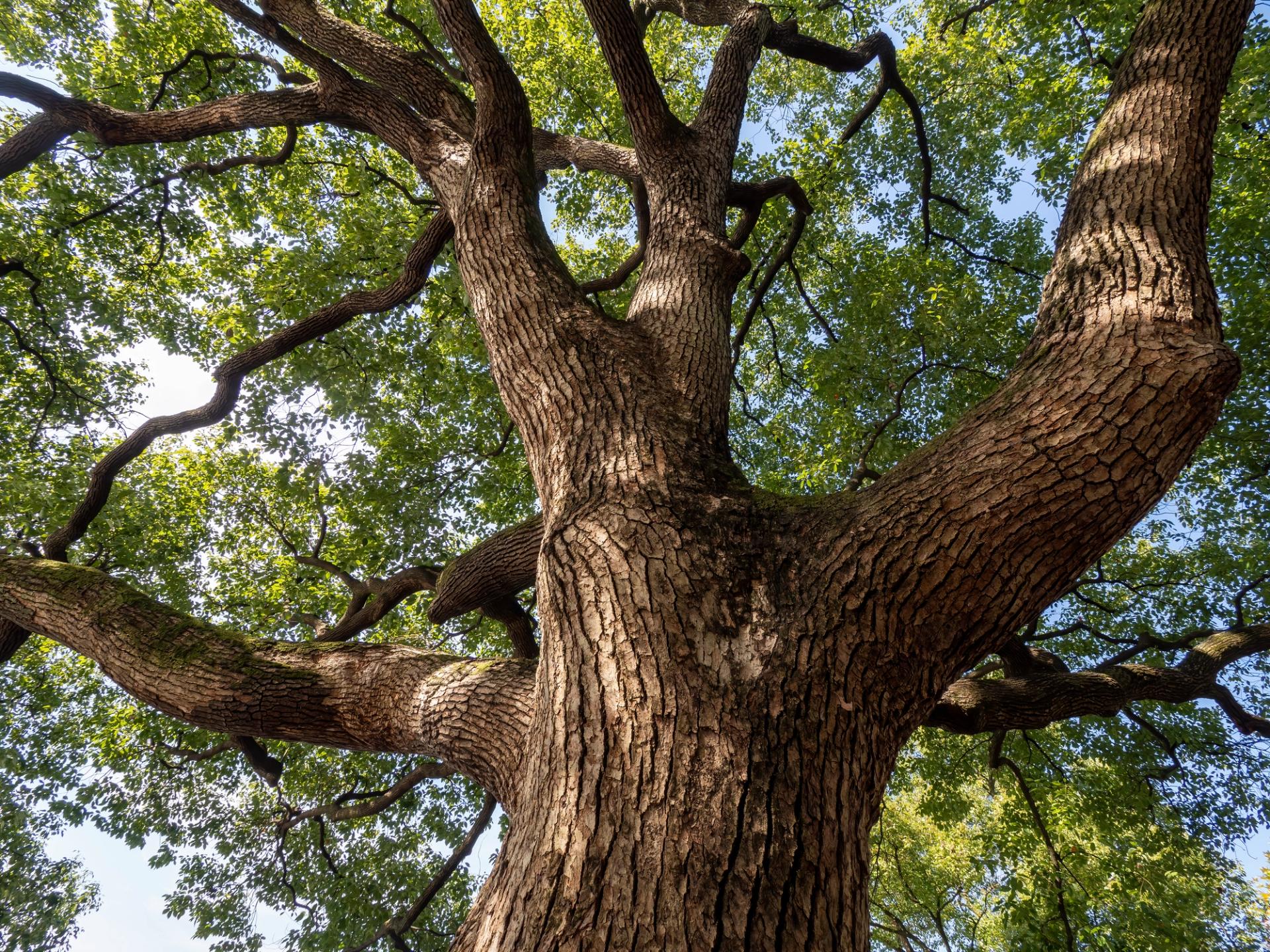
Does Extreme Heat Cause Sudden Branch Drop Syndrome?

After the tragic death of a woman in D.C., local officials are investigating if extreme heat contributes to Sudden Branch Drop Syndrome.

After the tragic death of a woman in D.C., local officials are investigating if extreme heat contributes to Sudden Branch Drop Syndrome. (jiamiao lin/Getty Images)
Urban AlmanacJune 12, 2024

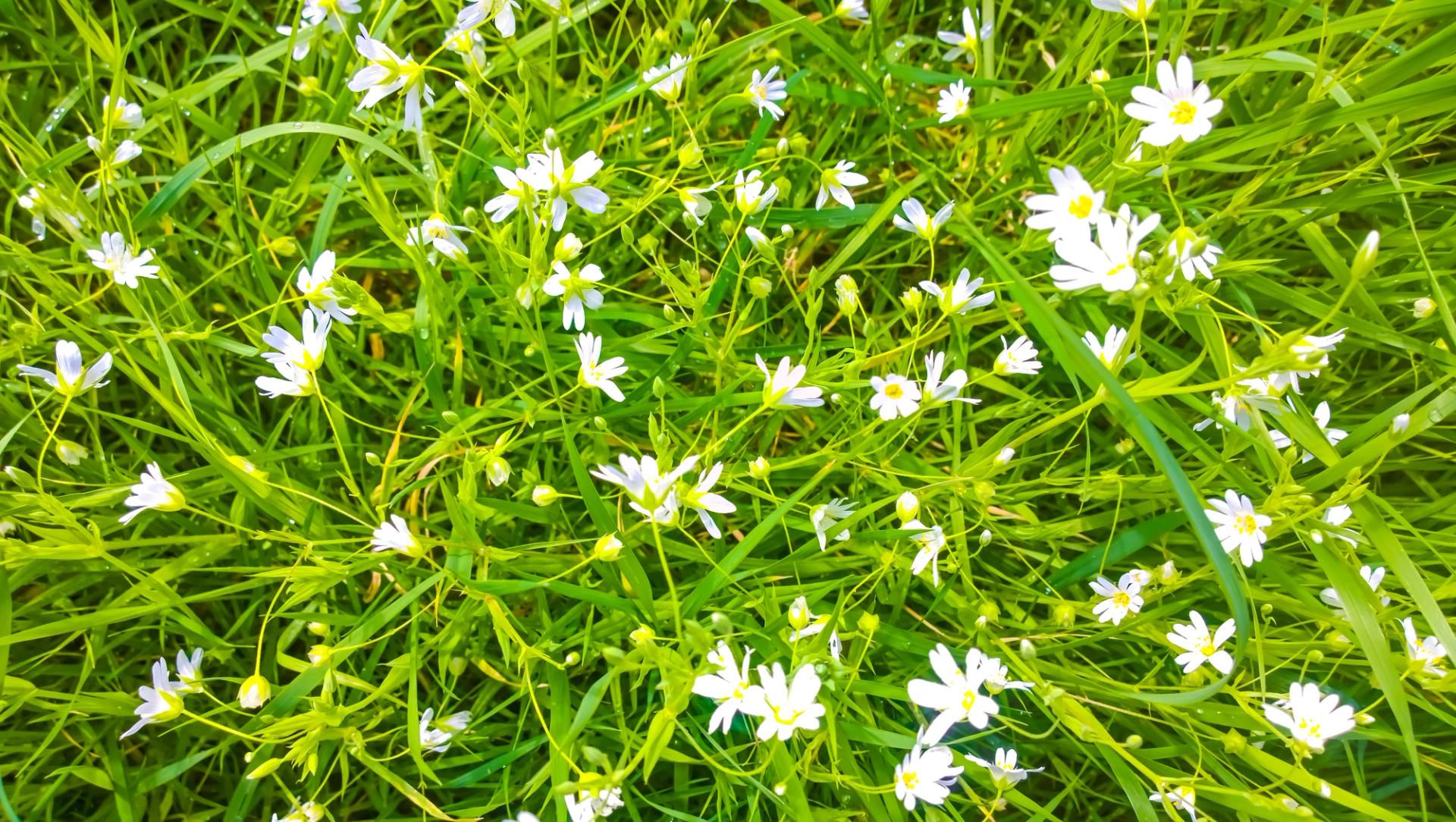
How To Forage in the DMV

An ancient foraging proverb says, “there are old foragers and there are bold foragers, but there are no old, bold foragers!”

Beautiful and edible chickweed. (mikroman6/Getty Images)
Urban AlmanacMay 8, 2024

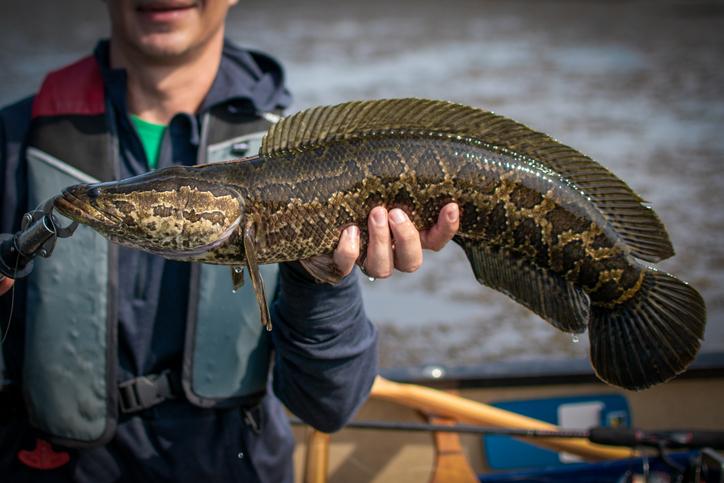
Maryland Renames Snakehead Fish In Hopes of Increasing Demand

Maryland is renaming the invasive snakehead fish in hopes of getting more people to eat it. The snakehead fish will soon be known as the...

An invasive Northern snakehead caught in the tidal marshes of Southeast Virginia.
Urban AlmanacApril 17, 2024

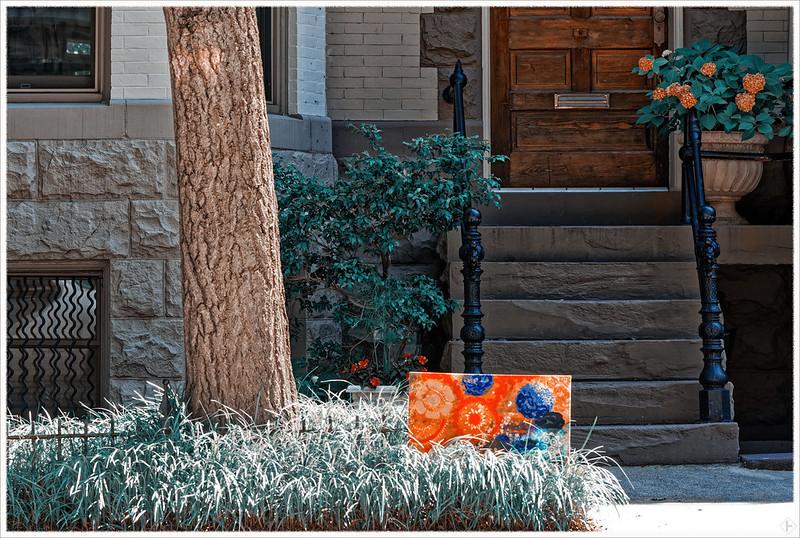
How To Water Your Street Trees

One critical piece of this is to water your street trees, especially if you have a young tree outside your house or apartment.

A well established sidewalk tree.
Urban AlmanacApril 3, 2024

How To View The Solar Eclipse In DC

A solar eclipse occurs when the moon passes between the sun and Earth, blocking out our precious sunlight for a few rare minutes.

The sky during a full solar eclipse