City Cast DC logo

How to Celebrate Pollinator Week

Posted on June 22, 2023   |   Updated on September 30, 2025
Kaela Cote-Stemmermann

Kaela Cote-Stemmermann

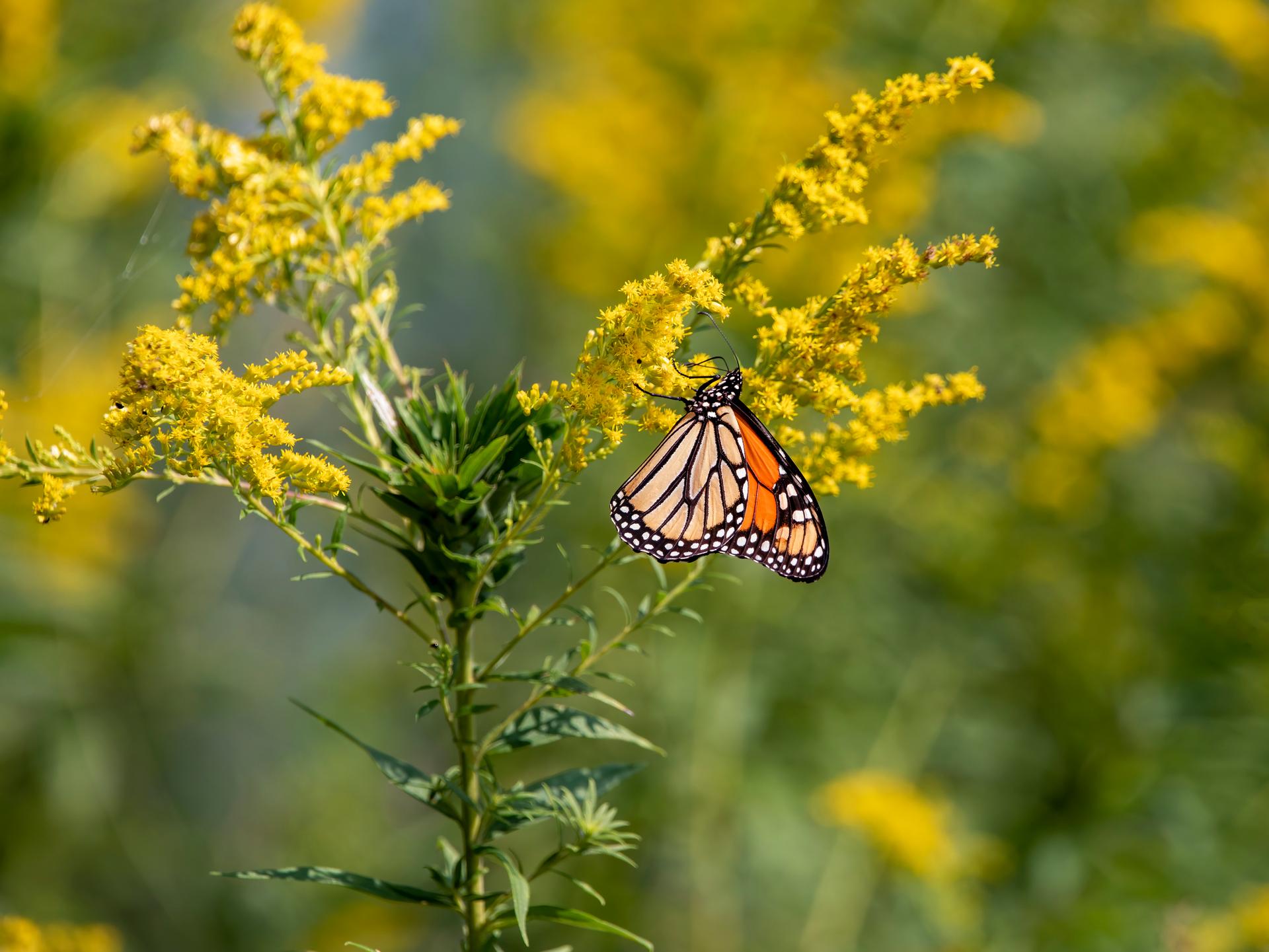
Monarch butterfly pollinating some native goldenrod.

Monarch butterfly pollinating some native goldenrod. (Ali Majdfar/Getty Images)

It’s Pollinator Week! D.C.’s got all sorts of bees, bats, birds, and bugs that are vital to our local ecosystem. Here are a few things you can do to support them in their hunt for a good meal.

Plant a pollinator garden:

Flowering gardens are a great way to support pollinators, but what you plant matters. Invasive plants have become a major threat to D.C.’s flora and fauna and should be avoided.

Some of the most common flowers around D.C. like wisteria and honeysuckle are actually out-of-towners. You should also avoid planting daylilies, bluebells, and other invasive species on this list. Instead, plant native flowers like sunflowers, black-eyed Susans, goldenrods, or any of these.

Use pesticides sparsely and responsibly:

When buying pesticides, look for an EPA registration number on the container. This means it has been through safety testing. Even better, just knock bugs off with water or hand-pick them off.
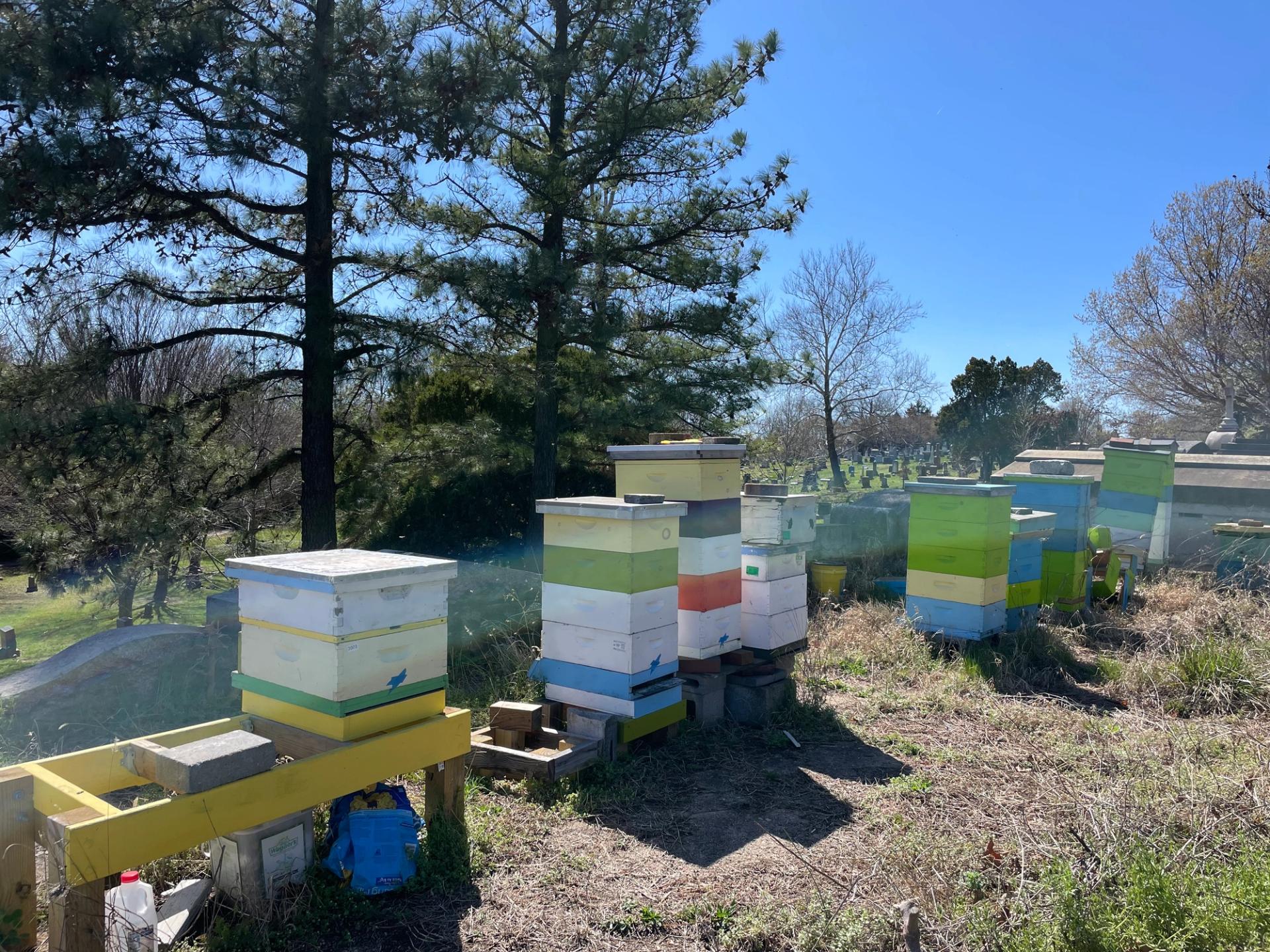
Beehives at the Congressional Cemetery (Kaela Cote-Stemmermann/City Cast DC)

Beehives at the Congressional Cemetery (Kaela Cote-Stemmermann/City Cast DC)

Buy local or organic:

If you are able, support agriculture that doesn’t use pesticides and instead provides food sources for pollinators.

Record them for research:

Contribute to scientific research by submitting your pollinator observations to projects such as iNaturalist and Bumble Bee Watch. This helps scientists track and better understand pollinator populations.

Share article

Hey DC

Get smart about D.C. with our news roundup and analysis.

Can't subscribe? Turn off your ad blocker and try again.

Urban Almanac

See All
Urban AlmanacMarch 19

How To Start an Urban Garden In DC

Even in the city, you can grow your own food. Here’s how to make use of even the tiniest spaces, whether you’re designing your community...

Garden beds at Bruce Monroe Community Garden in Columbia Heights.
Urban AlmanacSeptember 4, 2025

How to Experience the 2025 National Book Festival in DC

This Saturday, Sept. 6, the Library of Congress is throwing a party for book lovers: the 25th annual National Book Festival.

The flyer for the National Book Festival.
Urban AlmanacJuly 30, 2025

How to Manage and Stop the Spread of Invasive Lanternflies

The invasive spotted lanternfly has returned to the Washington, D.C. region this summer. Here's what you need to know about why it spread...

A person holds an adult spotted lanternfly found in Huntington, Indiana, on Aug. 17, 2022.
Urban AlmanacJuly 31, 2024

Does Extreme Heat Cause Sudden Branch Drop Syndrome?

After the tragic death of a woman in D.C., local officials are investigating if extreme heat contributes to Sudden Branch Drop Syndrome.

After the tragic death of a woman in D.C., local officials are investigating if extreme heat contributes to Sudden Branch Drop Syndrome. (jiamiao lin/Getty Images)
Urban AlmanacJune 12, 2024

How To Forage in the DMV

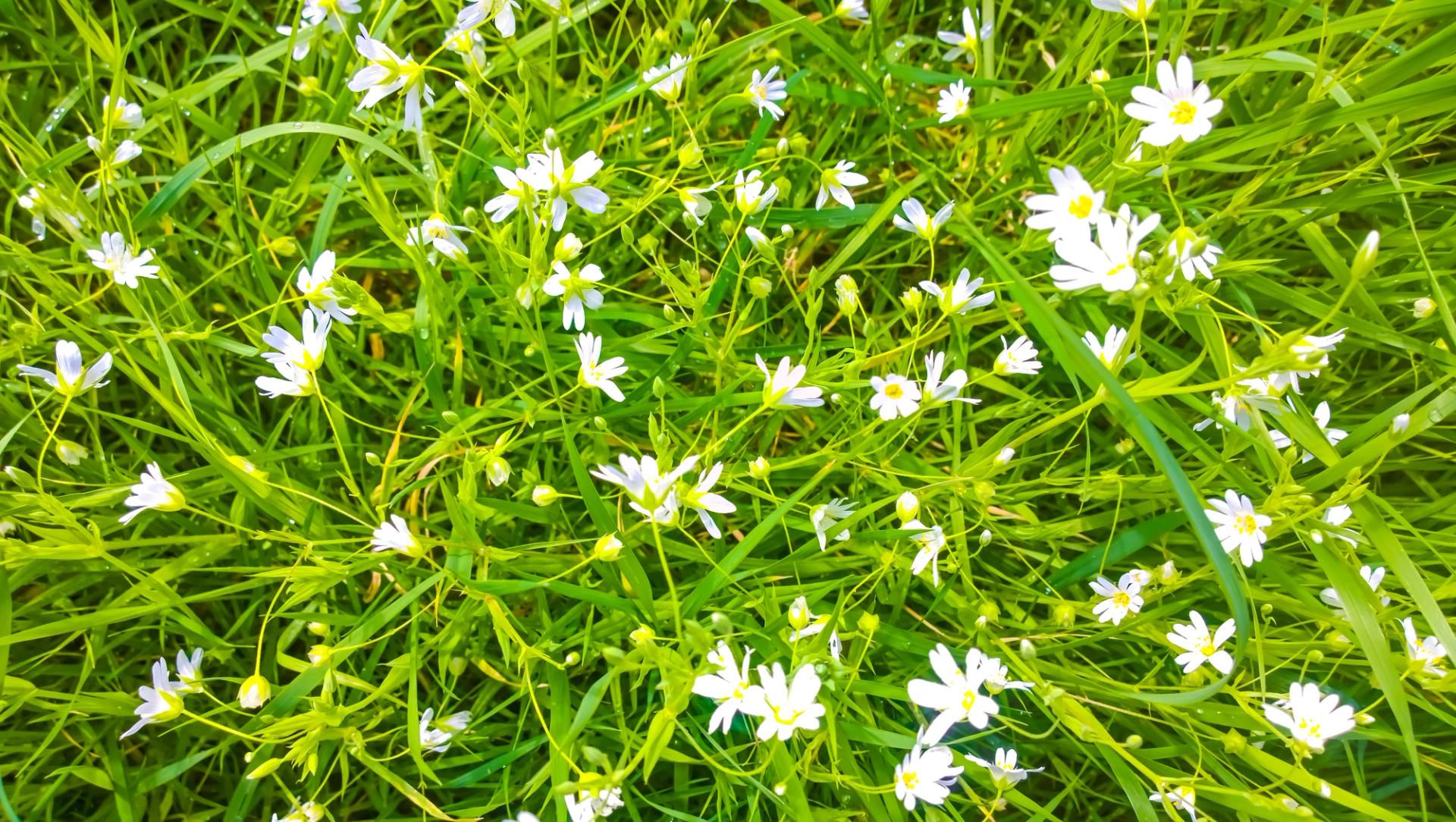
An ancient foraging proverb says, “there are old foragers and there are bold foragers, but there are no old, bold foragers!”

Beautiful and edible chickweed. (mikroman6/Getty Images)
Urban AlmanacMay 8, 2024

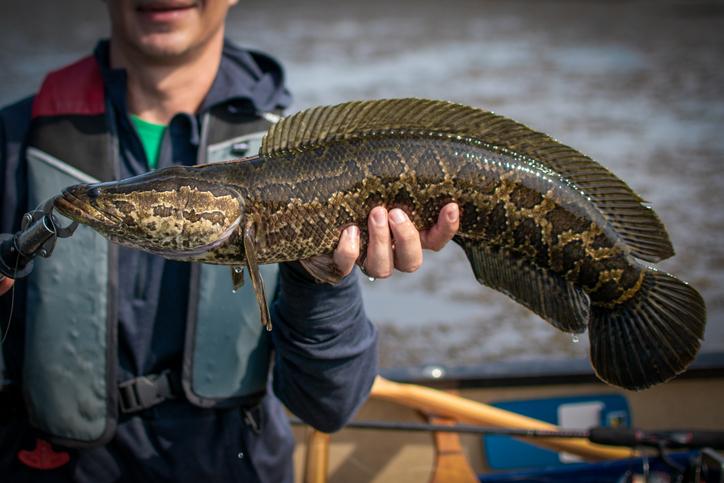
Maryland Renames Snakehead Fish In Hopes of Increasing Demand

Maryland is renaming the invasive snakehead fish in hopes of getting more people to eat it. The snakehead fish will soon be known as the...

An invasive Northern snakehead caught in the tidal marshes of Southeast Virginia.
Urban AlmanacApril 17, 2024

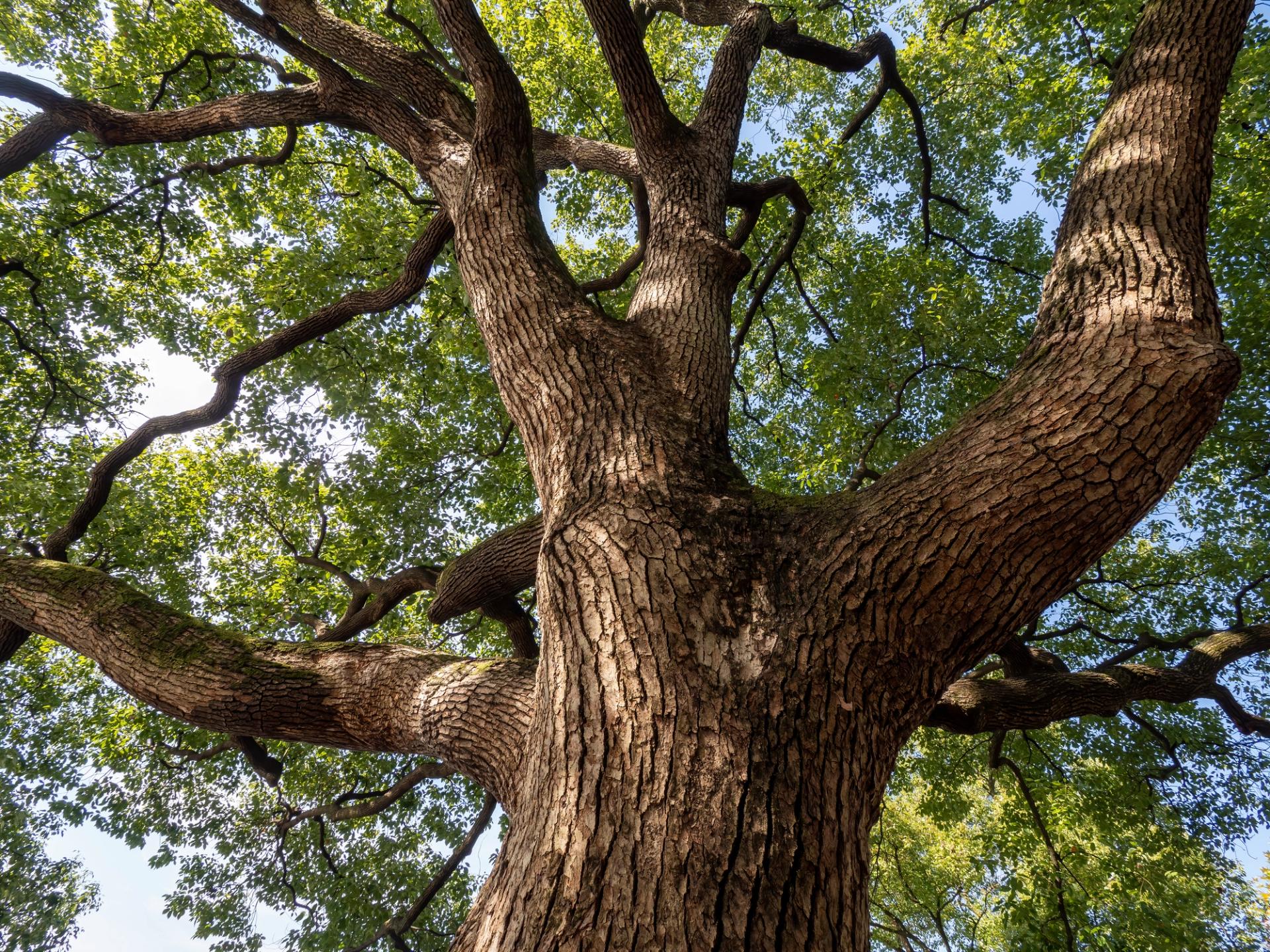
How To Water Your Street Trees

One critical piece of this is to water your street trees, especially if you have a young tree outside your house or apartment.

A well established sidewalk tree.
Urban AlmanacApril 3, 2024

How To View The Solar Eclipse In DC

A solar eclipse occurs when the moon passes between the sun and Earth, blocking out our precious sunlight for a few rare minutes.

The sky during a full solar eclipse