City Cast DC logo

Get To Know DC’s ‘State’ Species

Posted on September 6, 2023   |   Updated on September 30, 2025
Kaela Cote-Stemmermann

Kaela Cote-Stemmermann

An American Beauty Rose in bloom.

An American Beauty Rose in bloom. (CurtisC Photoography/Getty Images)

Despite D.C.’s lack of statehood, we still lay claim to several “state” species, some of which make more sense than others.

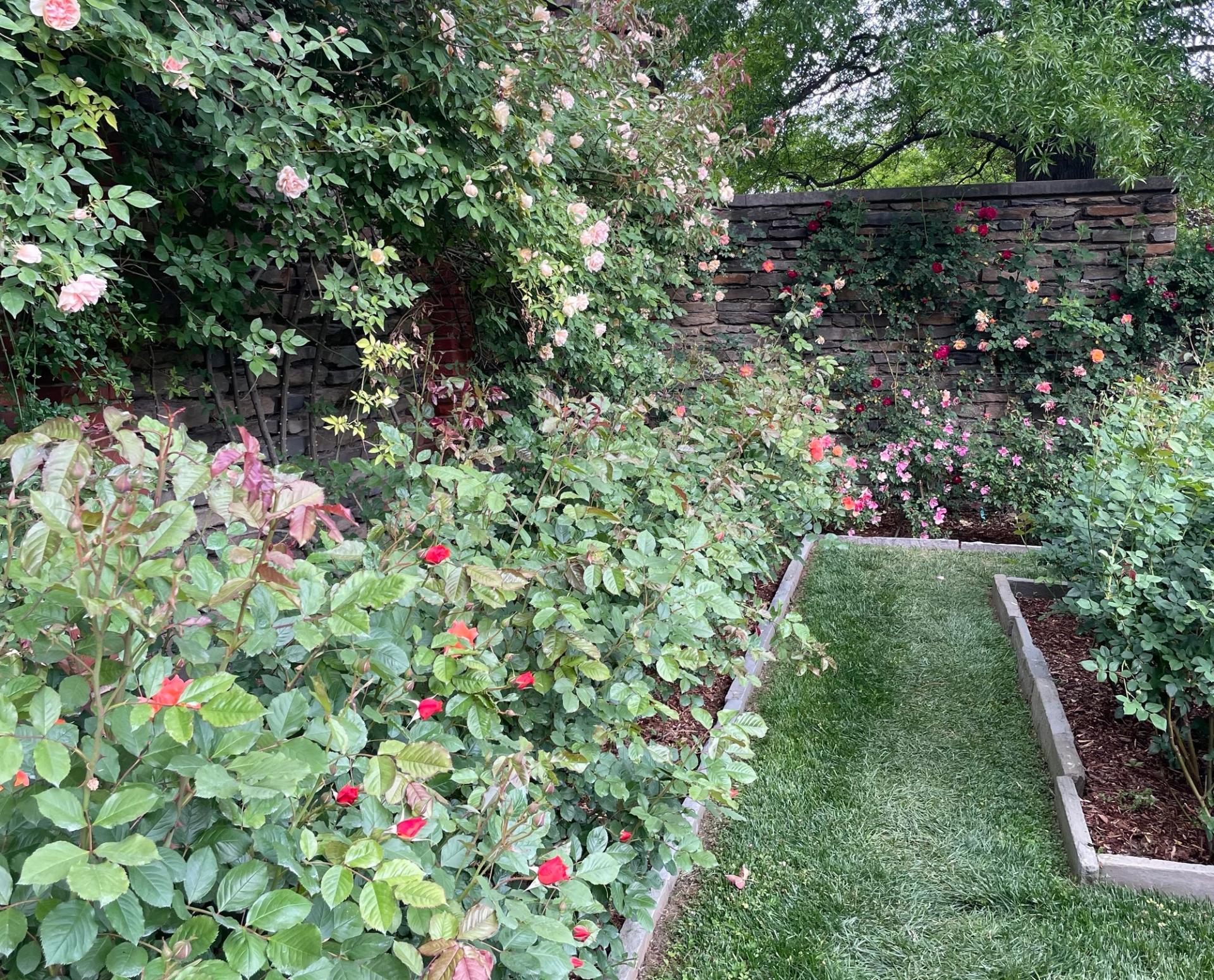
State Flower: The American Beauty Rose

D.C.’s oldest state symbol, the rose was adopted in 1925. It was very popular at the time but is no longer grown commercially as it is weaker than newer breeds. It is famous for its fragrant crimson blooms.

State Fruit: Cherry

This one’s a puzzle. Cherries aren’t prolific in D.C. and the cherry blossom trees along the Tidal Basin don’t produce edible fruit, so what’s the deal? The Official Fruit Act claims cherries are symbolically associated with our namesake George Washington, but seems weak to me.

State Crustacean: Hay's Spring Amphipod

This small, blind crustacean is an endangered species that ONLY exists in certain areas of Rock Creek Park. It is hard to spot because it’s clear, shy, and makes its home in the groundwater and wet leaves by the creek bed. She’s my favorite.
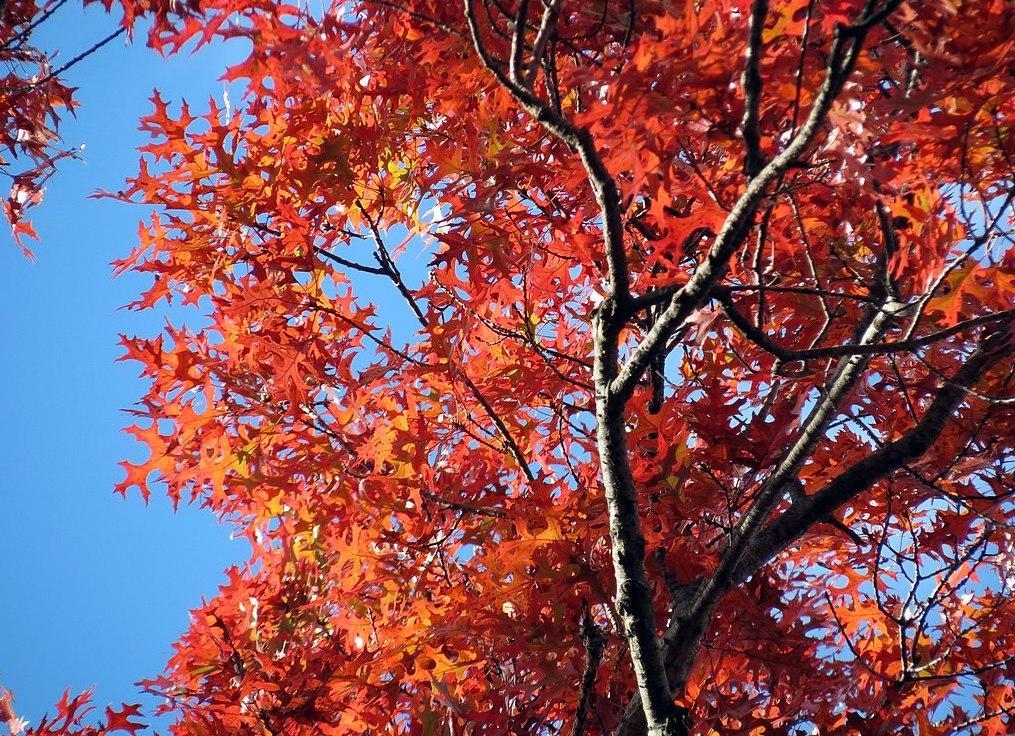
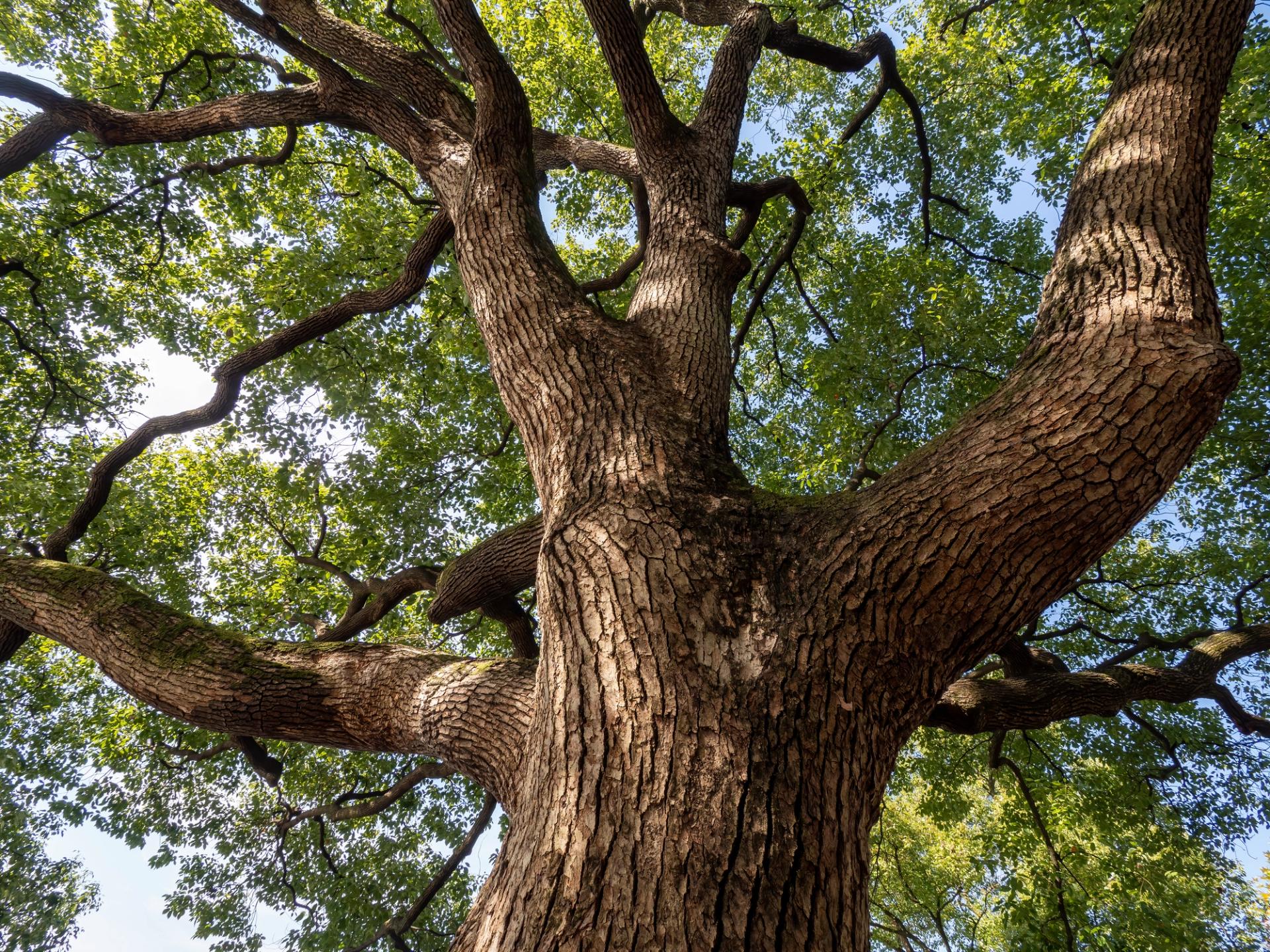
Scarlet Oak tree in Rock Creek Park.

Scarlet Oak tree in Rock Creek Park. (Katja Schulz/Wikimedia Commons)

State Tree: Scarlet Oak

Shockingly not the cherry tree. This oak species is best known for its bright red autumn colors. It can be found all around D.C., including at the White House, the Capitol, along New Hampshire Avenue NW, and Rock Creek Park.

State Bird: Wood Thrush

Despite only spending five months a year in the D.C. region, this small bird makes its presence known through its distinct flute-like call. It can be found in any wooded area of the city.

Share article

Hey DC

Get smart about D.C. with our news roundup and analysis.

Can't subscribe? Turn off your ad blocker and try again.

Urban Almanac

See All
Urban AlmanacMarch 19

How To Start an Urban Garden In DC

Even in the city, you can grow your own food. Here’s how to make use of even the tiniest spaces, whether you’re designing your community...

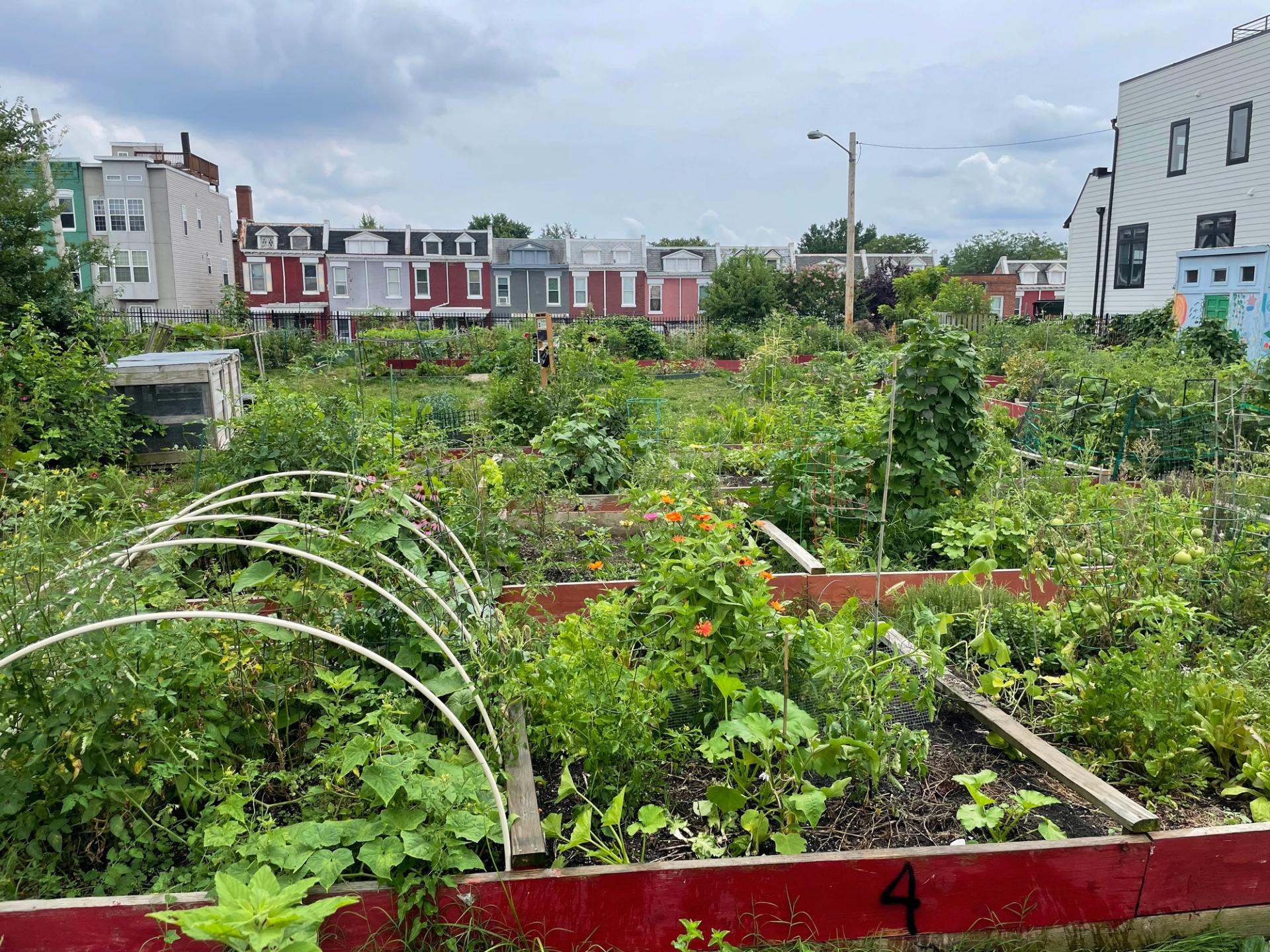
Garden beds at Bruce Monroe Community Garden in Columbia Heights.
Urban AlmanacSeptember 4, 2025

How to Experience the 2025 National Book Festival in DC

This Saturday, Sept. 6, the Library of Congress is throwing a party for book lovers: the 25th annual National Book Festival.

The flyer for the National Book Festival.
Urban AlmanacJuly 30, 2025

How to Manage and Stop the Spread of Invasive Lanternflies

The invasive spotted lanternfly has returned to the Washington, D.C. region this summer. Here's what you need to know about why it spread...

A person holds an adult spotted lanternfly found in Huntington, Indiana, on Aug. 17, 2022.
Urban AlmanacJuly 31, 2024

Does Extreme Heat Cause Sudden Branch Drop Syndrome?

After the tragic death of a woman in D.C., local officials are investigating if extreme heat contributes to Sudden Branch Drop Syndrome.

After the tragic death of a woman in D.C., local officials are investigating if extreme heat contributes to Sudden Branch Drop Syndrome. (jiamiao lin/Getty Images)
Urban AlmanacJune 12, 2024

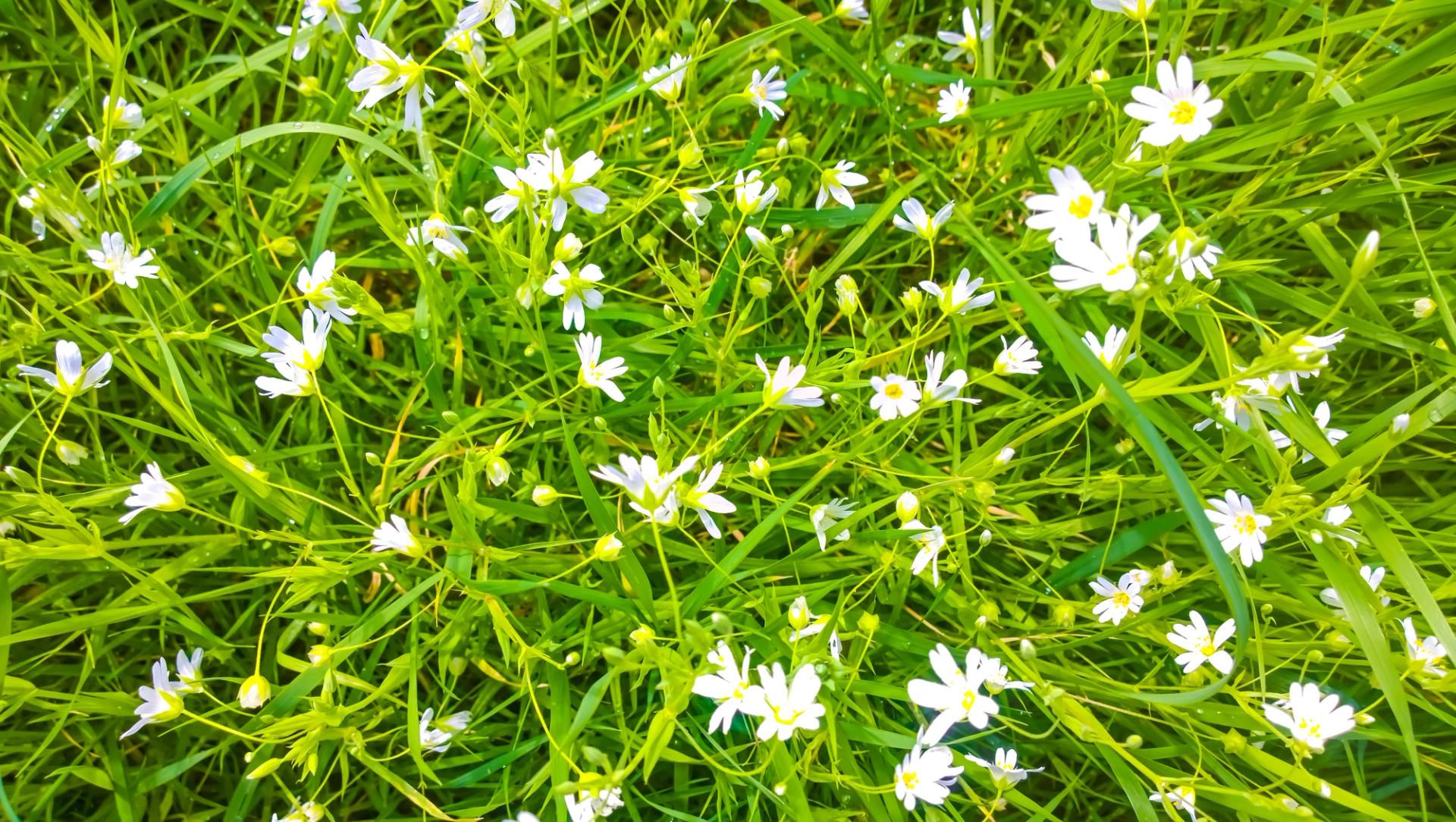
How To Forage in the DMV

An ancient foraging proverb says, “there are old foragers and there are bold foragers, but there are no old, bold foragers!”

Beautiful and edible chickweed. (mikroman6/Getty Images)
Urban AlmanacMay 8, 2024

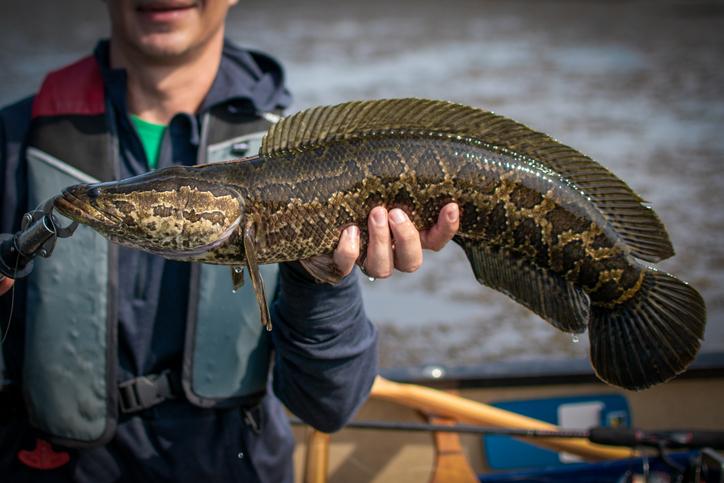
Maryland Renames Snakehead Fish In Hopes of Increasing Demand

Maryland is renaming the invasive snakehead fish in hopes of getting more people to eat it. The snakehead fish will soon be known as the...

An invasive Northern snakehead caught in the tidal marshes of Southeast Virginia.
Urban AlmanacApril 17, 2024

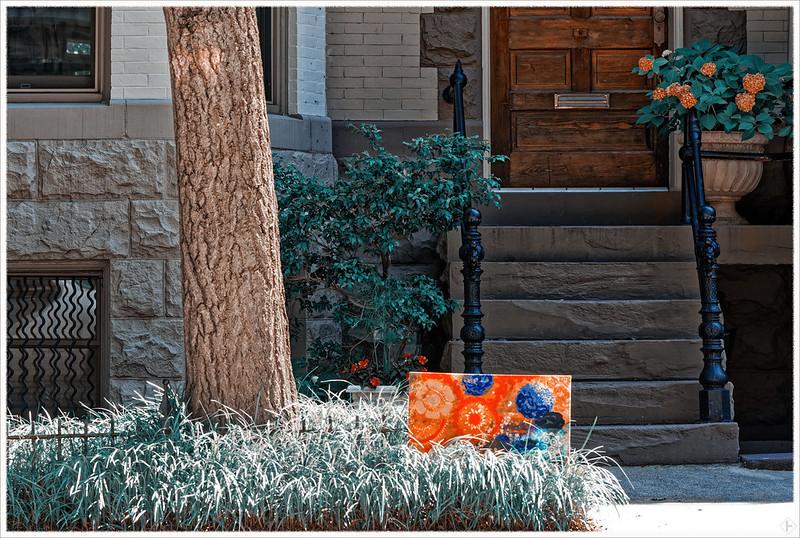
How To Water Your Street Trees

One critical piece of this is to water your street trees, especially if you have a young tree outside your house or apartment.

A well established sidewalk tree.
Urban AlmanacApril 3, 2024

How To View The Solar Eclipse In DC

A solar eclipse occurs when the moon passes between the sun and Earth, blocking out our precious sunlight for a few rare minutes.

The sky during a full solar eclipse