
What Is a Pocket Park?
These teeny-tiny parks can be found all over D.C. and are usually less than half an acre in size. Most often, they are underutilized areas that were transformed into parks by local residents. However, some were made by D.C.’s Department of Parks and Recreation with community input.
Why Are Pocket Parks Important?
For many, D.C.’s larger parks, like Rock Creek Park or Anacostia Park, aren’t accessible on a daily basis. Pocket parks help fill in the gap and provide nearby nature where locals can easily get outside, relax, and gather with neighbors.

Crispus Attucks park. (Ted Eytan/Wikimedia Commons)
Popular Pocket Parks
Pocket parks aren’t just for people who live close by! Anyone in D.C. can use them. Some of our favorites include:
Wangari Gardens (Park View):
This was a dirt triangle between major roads before neighbors turned it into a community garden and park with lots of tree cover.
Crispus Attucks (Bloomingdale):
This well-known park between row houses set the standard for how a community came together to create a park and manage it.
Columbia Heights Green (Columbia Heights):
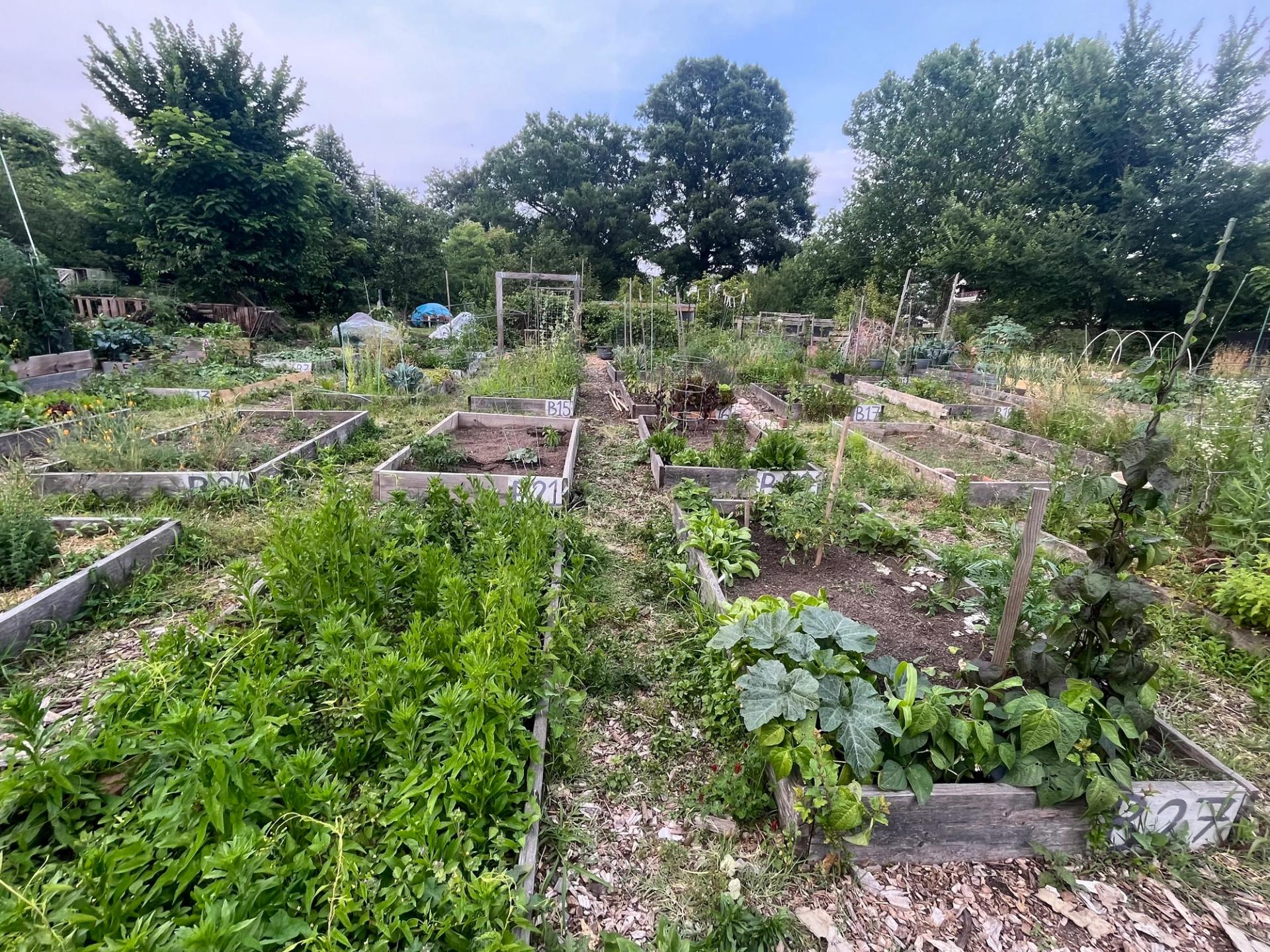
This tiny community-run urban farm was once an illegal dumping ground for abandoned cars. Now it hosts workshops, campfires, concerts, and community events.
French Street Park (Logan Circle):
Although this park is managed by the city, it still serves as a local community hangout with hundreds of tulips and plenty of benches.
C Street Pocket Park (Capitol Hill):
The extraterrestrial-looking playground is the main draw here, but lots of shade makes it perfect for all ages.