
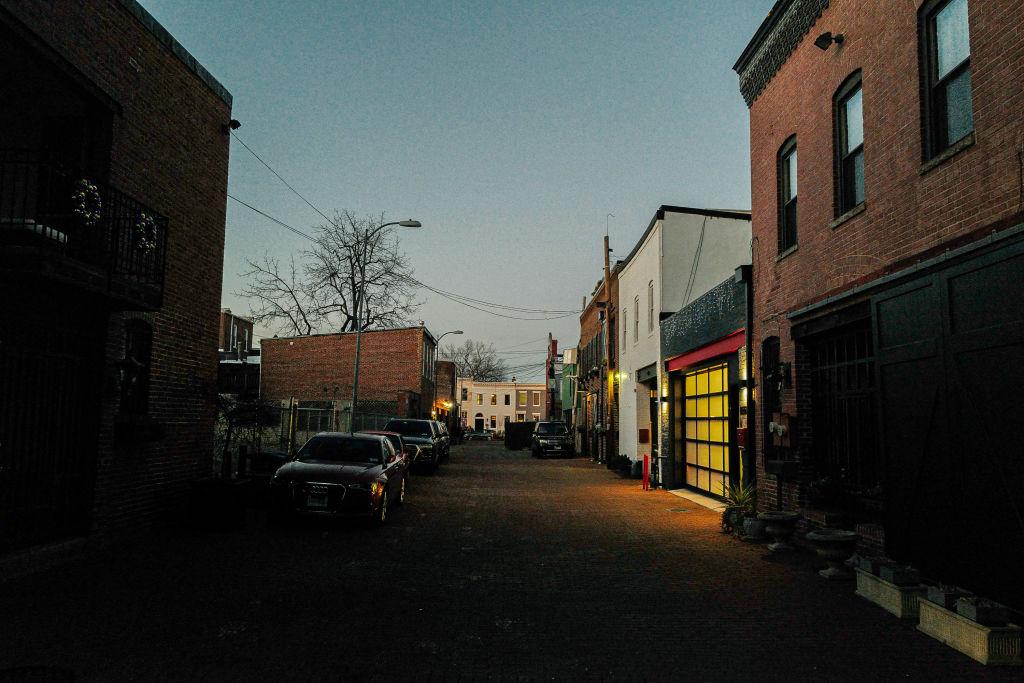
From Blues Alley to the restaurant-packed Blagden Alley, alleys are home to some of D.C.’s richest and most significant cultural history.
What Makes Our Alleys Different
Elsewhere in the U.S., alleys generally are narrow, dingy, rat-infested, garbage-filled crevices. D.C.’s alleys are more akin to those of “old world” European cities, like London or Rome. Our alleys are often “H” or “I” shaped, wide, and open up to squares that are hidden from the street. The shapes originally functioned as service lots for horses or gardens.
Life in the Alleys
After the Civil War, there was an influx of formerly enslaved people in D.C. With nowhere to live, they put makeshift dwellings and shacks in the alleyways, which quickly became bustling communities. At one point, almost 10% of the city’s population lived in alley communities. Lack of plumbing and electricity meant health conditions in these communities were generally poor, and in 1934 the Alley Dwelling Act was established to clear out alley communities.
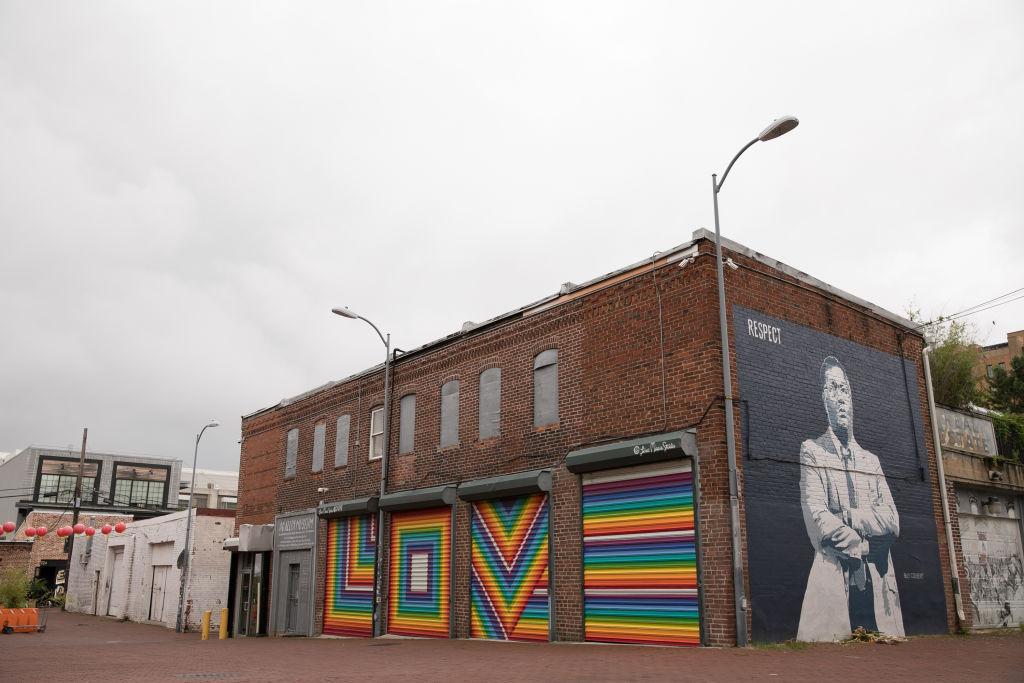
Blagden Alley Northwest. (Brian Stukes/Getty Images)
Washington’s Bohemia
As the city began to crack down on alley dwellings, and housing became more available on the outskirts of the city, these communities moved on. By the mid-20th century, white artists moved into the alleys to find cheap studio space. One notable name, Cleon Throckmorton, opened the Krazy Kat Klub in a former stable in Logan Circle. The arts club boasted performances and a cafe treehouse.
Walking the Alleys
For the best walking tour of D.C.’s alleys, head to Capitol Hill, between Fourth and Sixth streets Southeast, and Fourth and Sixth streets Northeast. This area boasts the most intact alley structures and has many of the city’s unique, open alley lots. You can use this map to guide your tour.