
While the fentanyl crisis in D.C. has been ongoing, the conversation is often overshadowed by another issue: crime. We spoke to NBC4’s Mark Segraves to find out why fentanyl is becoming an increasingly serious problem in the District and the federal drug sting operation that was triggered by the death of a local woman.
Fentanyl vs Crime
Understanding the data for both issues can be tricky, particularly when you factor in the extra time it takes for autopsies and coroner reports after an overdose, but the numbers tell a grim story. “Fatal overdoses, 98 percent of which are traced back to fentanyl, are outpacing homicides by a wide margin,” says Segraves.
The Big Bust
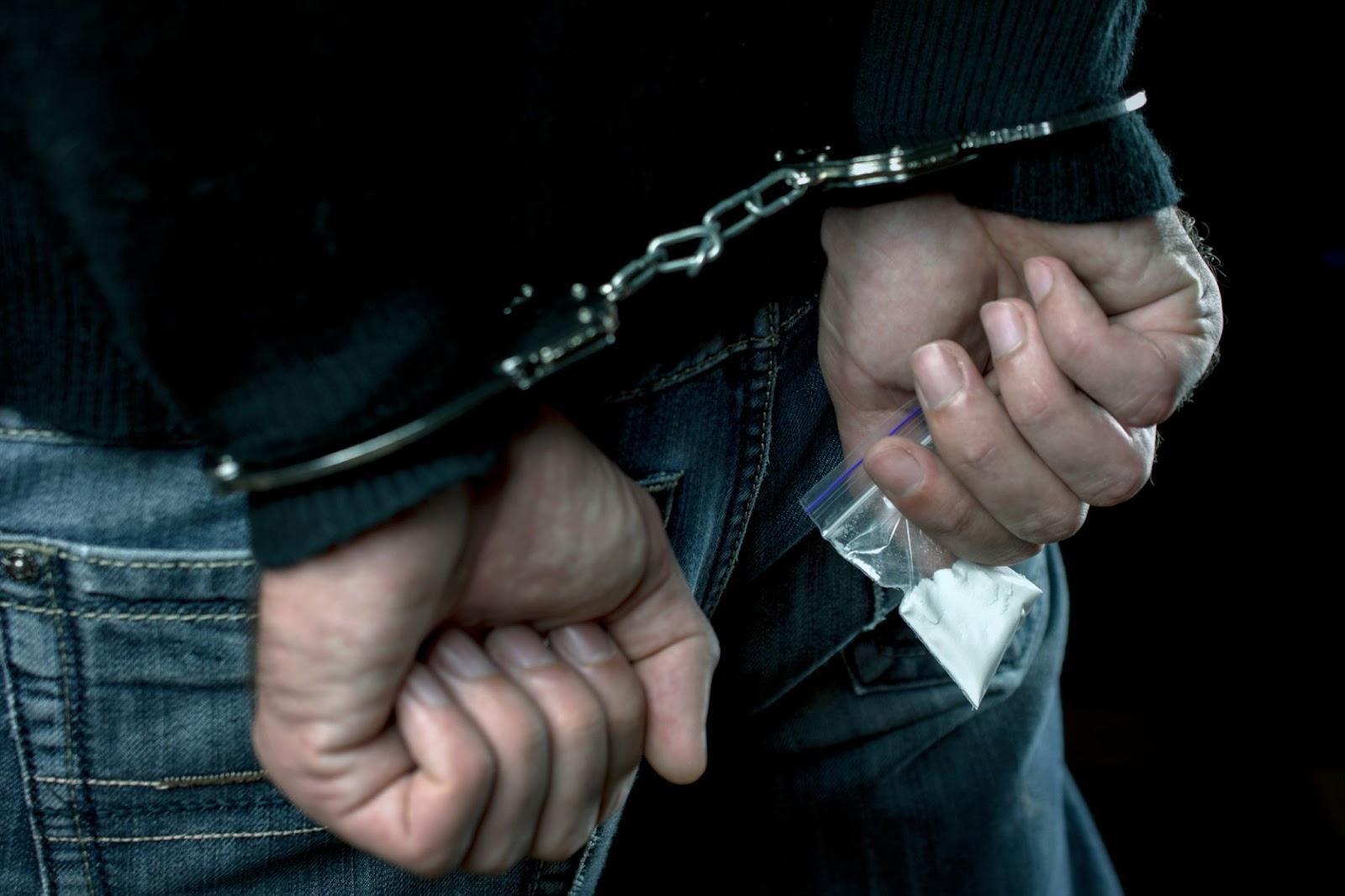
A recent federal investigation that brought together just about every other major enforcement agency began with the overdose death of D.C. resident Diamond Lynch. So far, it’s led to more than two dozen arrests across the country.
D.C. police were able to track the sale of the fentanyl-laced counterfeit pill that killed Lynch and arrested a brother and sister, who became the first people in D.C. to be convicted for a death through an overdose of an illicit drug. Dealers are typically prosecuted for distribution but rarely held responsible for deaths.
Social Media Paper Trail
The federal investigation that followed was fueled by combing phone records and social media. In an increasingly online world, social media has become an on-demand marketplace for illegal drug sales, and at times even the source of youth violence and homicides.
Two years later, the agencies responsible for the sting operation have recovered thousands of dollars, hundreds of weapons, and more than a million illegal pills. The case also marks a potential shift in how the DEA and other law enforcement agencies are willing to prosecute drug dealers beyond just distribution.