
Mayor Bowser wants to expand D.C.’s youth curfew this summer, but will it actually help curb youth crime in the District? The emergency legislation is going to D.C. Council for a vote tomorrow. Here’s what you need to know.
Bowser’s Proposal To Expand DC’s Youth Curfew
Right now, D.C. has a youth curfew that starts at midnight on weeknights during the summertime for kids 16 and under. Now, the mayor wants to extend it to begin at 11 p.m. and to include 17-year-olds. The emergency legislation would also let police create designated "extended juvenile curfew zones” where the curfew would start at 7 p.m. for up to a month.
Violation of the curfew could result in community service, detention at the Youth Services Center, and up to a $500 fine for guardians.
Why It Matters
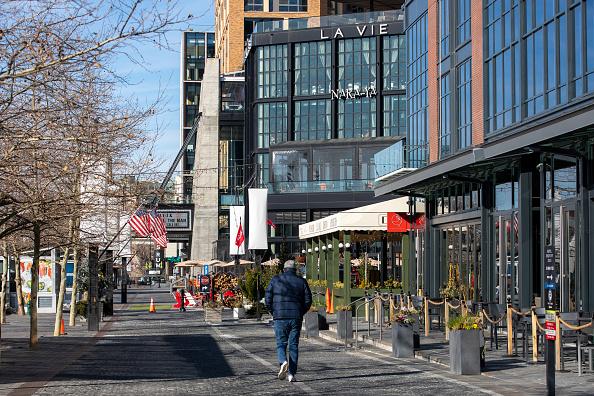
The proposal comes after several instances of youth crime in the District. Earlier this month, police shut down part of U Street NW after kids got into several fights and one boy got shot. And over Memorial Day, The Wharf instituted a temporary curfew after police say there was a series of teenage brawls and dancing on tables. It is not unusual for youth crime to increase in the summer while school is out, but increased community concerns have placed the issue front and center this year.
Do Curfews Actually Work?
Some experts say curfews can actually be counterproductive — reducing foot traffic that keeps neighborhoods safe and distracting police from more important tasks. Evidence shows it’s more effective for police to spend limited resources on solving crimes rather than enforcing curfews.
Another concern is that the enforcement of youth curfews will disproportionately affect young people of color and can worsen the relationships between kids and the police.
What’s Next?
D.C. Council will vote on Bowser's youth curfew proposal tomorrow. Because it’s an emergency legislation, it will need nine votes to pass, rather than the typical seven.