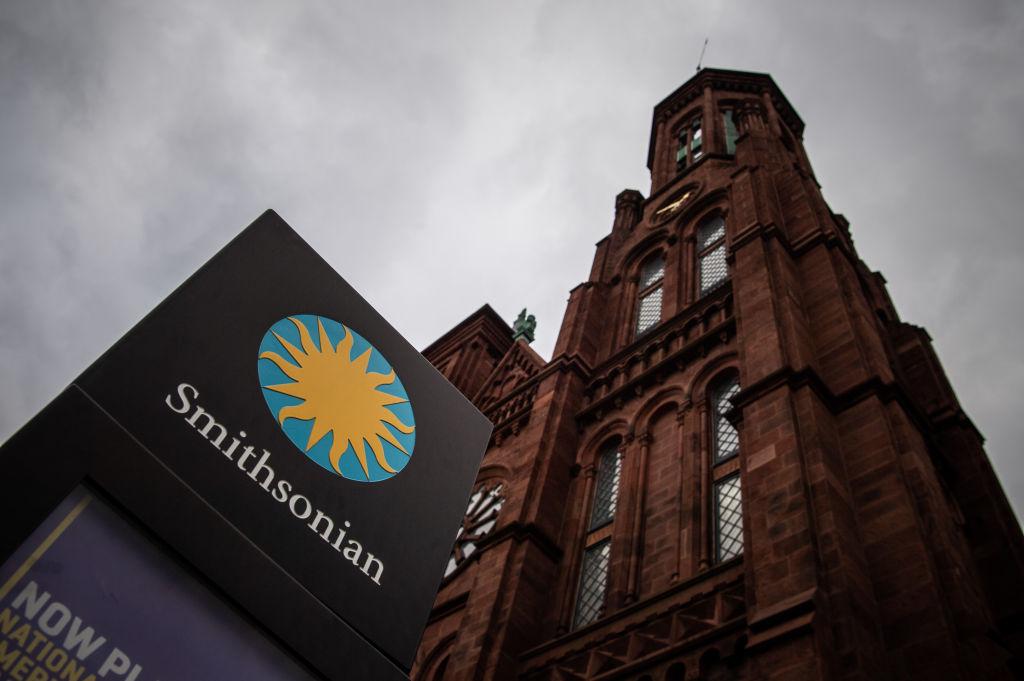
The Smithsonian is front and center in one of President Trump’s most controversial executive orders. But what does his campaign against the institution's “inappropriate ideology” mean on a day-to-day basis for the museums — and for those of us who love them?
What’s Actually In The Executive Order?
The order itself is quite vague. Trump claims the Smithsonian has “come under the influence of a divisive, race-centered ideology,” and directs Vice President JD Vance to prohibit programs that he sees as degrading to American values.
It calls out the American Art Museum and the National Museum of African American History and Culture. It also targets a sports exhibit they say is planned at the unbuilt American Women’s History Museum, which according to Washington Post reporter Manuel Roig-Franzia’s investigations, is 100% made up.
How Much Influence Does Trump Have Here?
Unlike what Trump did at the Kennedy Center, he does not have the power to name himself chairman of the Smithsonian nor can he directly appoint board members. “For that reason, this executive order does not have the same teeth [as the Kennedy Center takeover],” said Roig-Franzia.
He also told us that the Smithsonian is a profitable institution (which was a surprise to me!), but it gets a portion of that budget and its leadership from Congress. So, Trump could lean on Congress to pull back funds from specific museums.
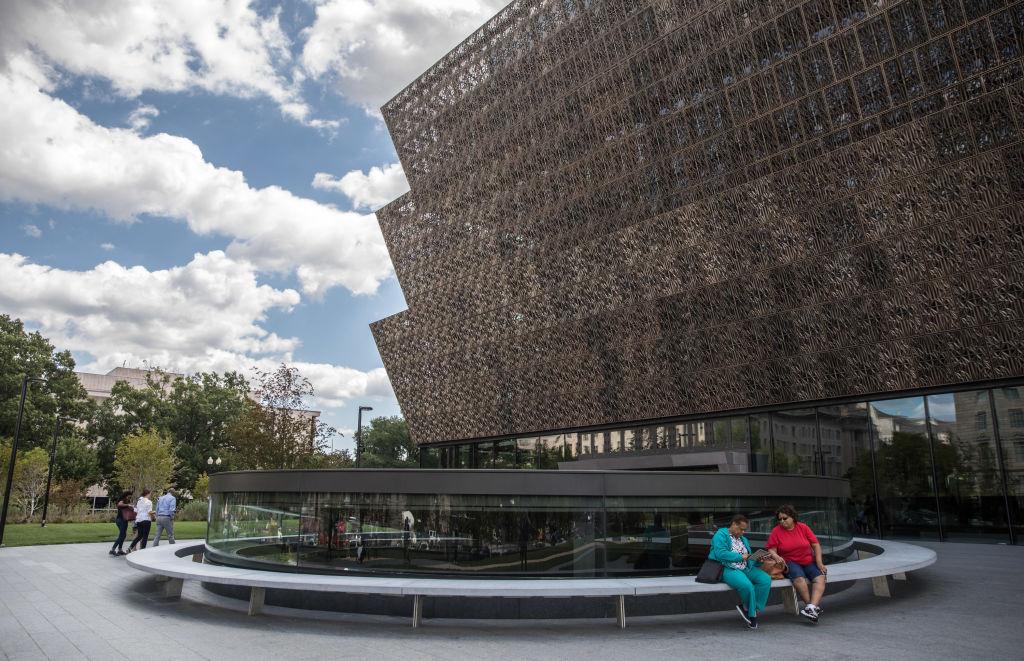
The Contemplative Court outside of the National Museum of African American History and Culture. (The Washington Post/Getty Images)
How Is the Community Reacting?
Roig-Franzia describes the Smithsonian’s reaction to the order as “preemptive obedience.” A staff letter sent by Smithsonian Secretary Lonnie Bunch promised to adhere to the museum's values, while not criticizing the administration.
The Smithsonian already closed its DEI programs after a Trump executive order in January labeled them as “illegal and immoral.”
Meanwhile, many visitors have been critical of the order and are rushing to see controversial exhibits while they can. Artists and historians are also pushing back, saying the order is misrepresenting high-quality scholarship.