
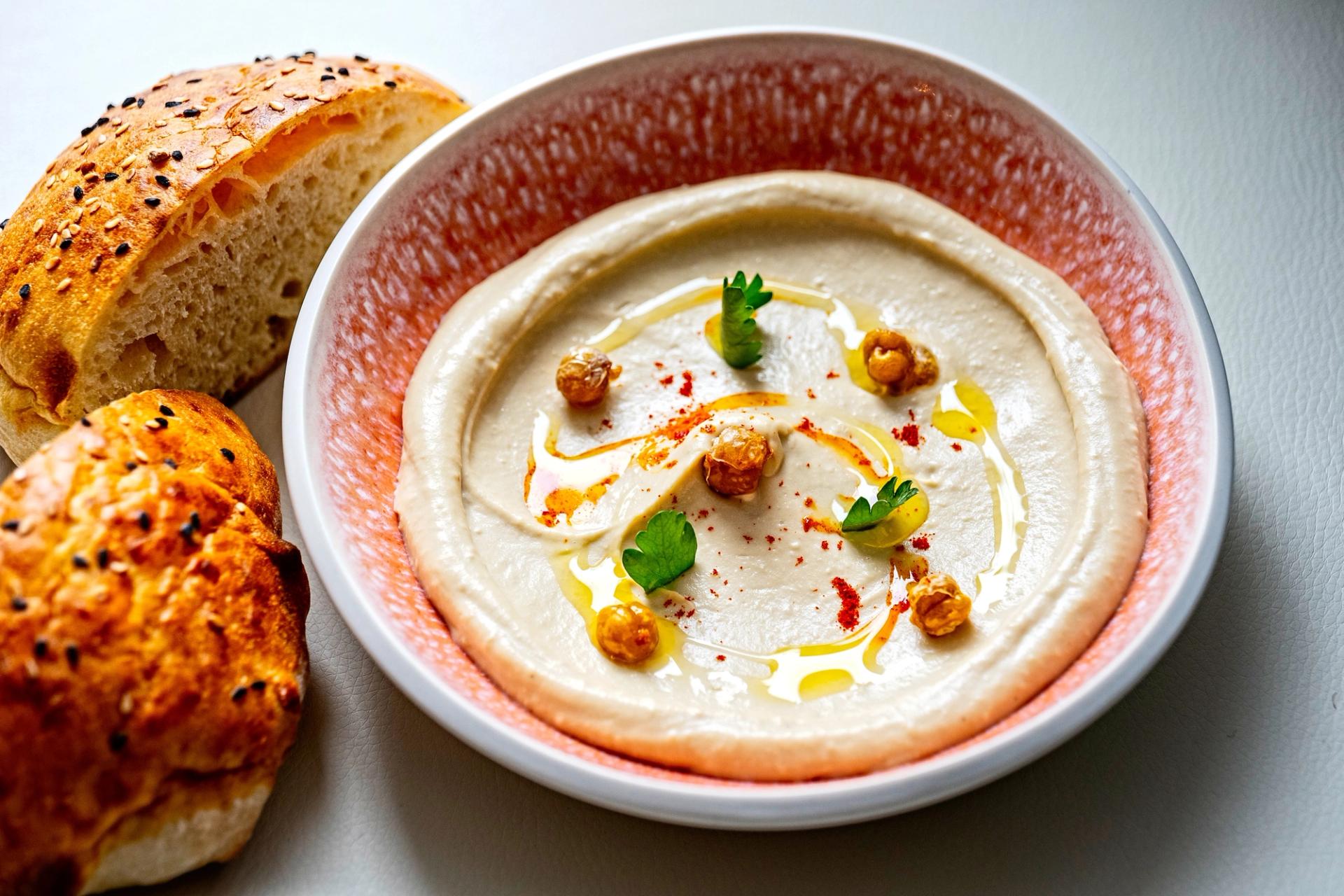
From CAVA to Little Sesame, the DMV consumes a lot of hummus, and we make and export even more. When it comes to commercial-grade hummus, the mid-Atlantic pumps out more hummus than the Middle East. But where did our obsession with the humble garbanzo bean begin?
It All Starts With Sabra
When Sabra was looking to expand in the ‘00s, they built the world’s largest hummus factory just south of Richmond, which pumps out more than 12 million pounds of hummus a month. Not only was the area close to an important port and railway lines, it also sat between two great consumer markets in the north and southeast. Thus, a hummus empire was born.
“Sabra set the standard,” said D.C. food reporter Anna Spiegel. “They picked the best place to build a successful hummus factory and paved the way for hummus consumption in the U.S.”
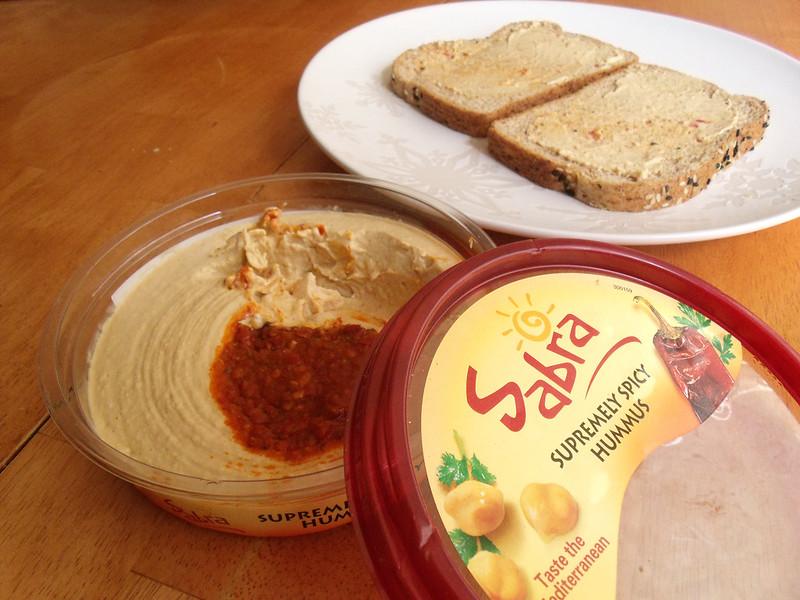
Sabra hummus. (Tanya Patrice/Flick)
Expanding The Hummus Trail
Local hummus brands CAVA and Little Sesame have followed in Sabra’s footsteps. CAVA is building a new mega-factory in the Shenandoah Valley that will double its production. Similarly, Little Sesame, which started as a little hummus shop in Dupont seven years ago, is now grinding up 25,000 pounds of hummus a week and is in every Whole Foods in the country.
Where To Get Your Hummus Fix
Spiegel’s all-time favorite hummus comes from Albi in Navy Yard, where you can get flavors like coal-fired mushroom hummus, or crab and green garlic hummus. Namak in Adams Morgan has gorgeous roasted beet hummus, and Ilili at The Wharf makes a lamb confit hummus that is godly. But when it comes to buying grocery store hummus, Spiegel says Little Sesame’s Caramelized Onion hummus is the way to go.