
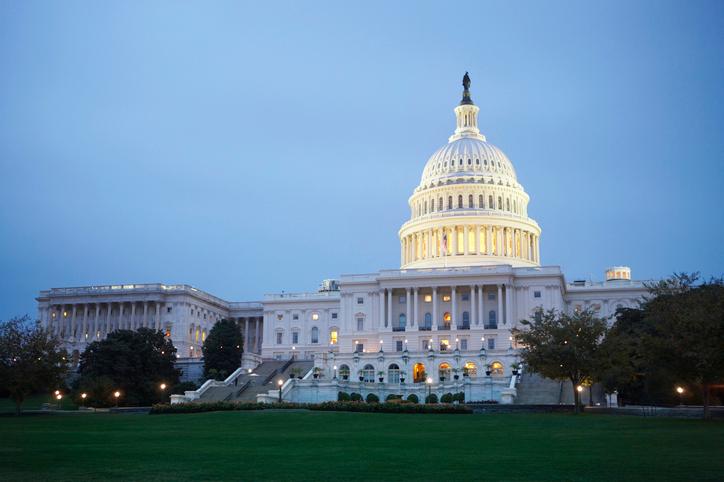
The United States Congress, one of the largest employers in D.C., has historically exempted itself from laws regarding discrimination, even long after the Civil Rights Act. Rutgers Professor James Jones, author of The Last Plantation says racism still persists in its halls. Here’s why no matter who gets elected, diversity on the Hill really matters.
Forming the Last Plantation
Sixty years ago, Congress passed the Civil Rights Act, removing racial and gender barriers from the workplace. Suspiciously, the law did not apply to Congress itself, earning it the name “The Last Plantation.” Since then, the Hill has worked to close this loophole, but many gaps remain.
Missing Data
One of the main things keeping Congress behind is it doesn’t provide transparent data about who works there, which could be used to hold them accountable. It also doesn’t help that Congress disbanded the House Office of Diversity and Inclusion earlier this year. The best numbers we have show that 82% of top house staffers are white, as are 84% of Senate staffers.
Why It Matters Beyond The Hill
Congress’ lack of diversity means that it's primarily going to be white perspectives that are heard and discussed. This is particularly frustrating because many of the issues Congress is tasked with solving – from AI to climate change – disproportionately affect communities of color. And for D.C. — a city without statehood — Congress’ priorities hold extra weight.
Removing The Double Standard
Jones calls on Congress to hold itself accountable by publishing reliable data on Capitol Hill staffers and paying their workers a living wage. But more than that, he argues it is important to remove barriers to entry for underrepresented groups, like doing away with unpaid internships and having more affordable housing options in D.C.