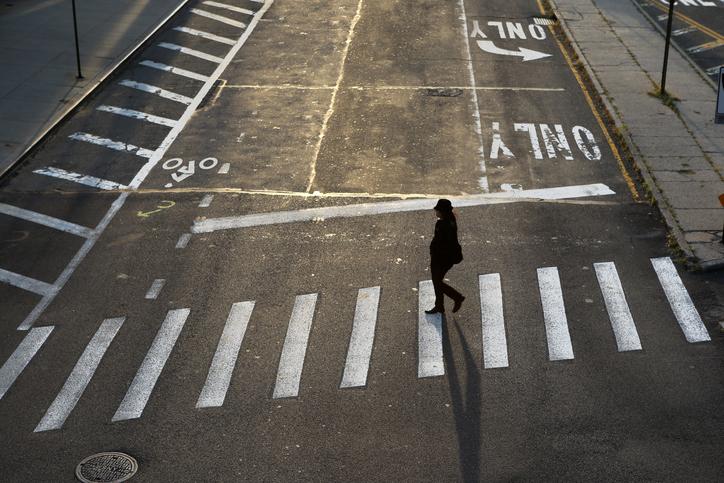
About one out of every two Americans experience measurable levels of loneliness at any given moment. And earlier this year, a study deemed D.C. the “loneliest city in America.” That means nearly everyone has or will experience what Surgeon General Dr. Vivek Murthy has described as one of our generation’s most significant challenges — an epidemic of loneliness.
Defining Loneliness
One out of every two Americans experience measurable levels of loneliness at any given moment. Loneliness is more than just being physically alone or feeling sad. It can be brought on by loss or dramatic shifts in our lives, says Vyvijal. We are less involved in community groups than ever before and 49% of Americans say they have three friends or fewer. Hyper-individualism has made us believe we don’t need others, and our dependence on tech can distract us from forming real connections.
Health Consequences
Loneliness can increase a person’s risk for anxiety, depression, heart disease, and dementia. It also heightens the risk of premature death by 26%. Though loneliness affects people of all ages and across all demographics, young adults are twice as likely to be lonelier than older adults.
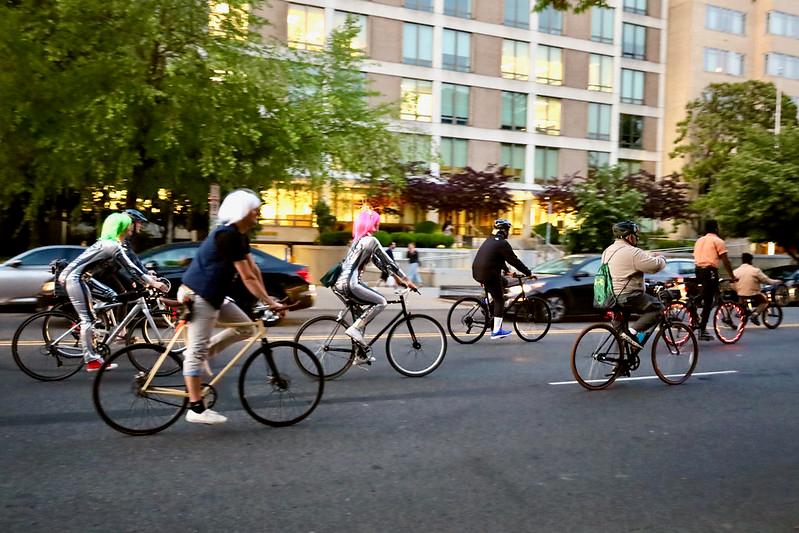
DC Bike Party rides at all times of year! (Joe Flood/Flickr)
What To Do About It
“Loneliness is not a personal problem,” says Vyvijal. “It's not an individual flaw or a unique thing that you are only experiencing. It’s a structural, societal issue.” Here are some of Vyvijal’s suggestions for managing loneliness this holiday season and beyond:
- Engage in acts of service. Doing something for others, such as volunteering for groups and organizations in your community, is a great way to connect with new potential friends. Engaging in public service gives us a greater sense of meaning and purpose. Check out local non-profits like So Others Might Eat, Martha’s Table, or Casey Trees.
- Use the buddy system. Connect with a friend who may also be feeling lonely and motivate one another. Schedule weekly check-ins or phone calls. Introduce your buddy to other people in your network. Go to events and activities together.
- Renegotiate your relationship with social media. The more we can push ourselves to form connections in person, or even through a phone call, can improve our sense of belonging.
- Check out the Action Guide for Building Socially Connected Communities, a toolkit created by the Coalition that Vyvijal says will suggest activities and strategies to rally your neighbors and friends to create and sustain engaged groups and networks.
- Read up on the latest legislation. The Coalition has contributed to and supported three pieces of legislation introduced this year, such as the National Strategy for Social Connection Act, which would establish an office within the White House to create national guidelines for social connection, improve social infrastructure, and provide funding to study social isolation and loneliness. Read up on more of the Coalition’s policy priorities.
➕ For more ideas, check out what Vyvijal’s Coalition is working on, and explore the New York Times’s guide on ways to find social connections during the holiday season.