

From pest problems to flooding, renting in the District comes with its own unique challenges. Luckily, D.C. has strong renter protections and an entire government agency dedicated to helping renters: the Office of the Tenant Advocate. We chatted with them about things all renters should know. Here are a few key takeaways.
Know What You’re Responsible For
Tenants are responsible for any disrepair they cause that is beyond ordinary wear and tear. The landlord is responsible for any other repairs, like leaks, electric issues, fridge malfunction, etc. Notably, however, tenants in single-family dwellings are responsible for solving pest infestations.
What To Do If You Suspect A Housing Code Violation
First, make sure you keep a written record of your interactions with your landlord. This will come in very handy if things ever go to court. Second, call up the Department of Buildings. They’ll record the infraction. Then, call OTA, which can provide legal counsel if the issue is still unresolved.
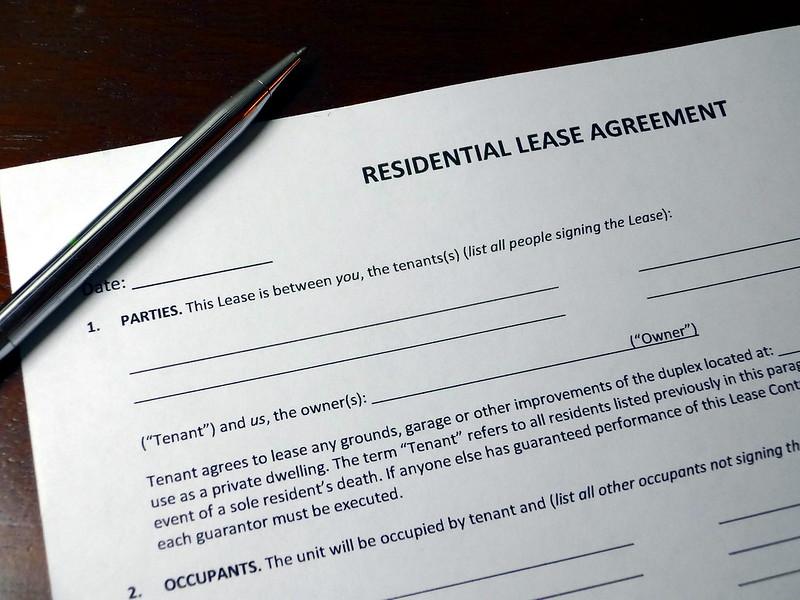
Make sure to read your lease thoroughly! (Rental Realities/Flickr)
Red Flags to Look For Before Signing a Lease
First of all, make sure you actually read the lease (like the whole thing). When you’re going through it, beware of the following:
- Subjective language like “annoying” or “bothersome” that could be enforced based on a landlord’s judgment, not facts.
- Lease addendums that might have you waiving your D.C. housing rights. For example, waiving your right to go month-to-month when your lease ends.
- Blank spaces. If there are any, make sure to cross them out and write N/A. This way, a mischievous landlord cannot change your obligations after you sign.
Where To Go When You Need Help
The Office of the Tenant Advocate’s entire job is to help tenants free of charge. You can send questions via their website or call them (202-719-6560) to report your case.
Not sure if you have a case or not? We chatted with OTA to answer all the most common renter questions like; Do landlords need to provide A/C? And, what do I do about pests? Think of it like a D.C. renter 101.